


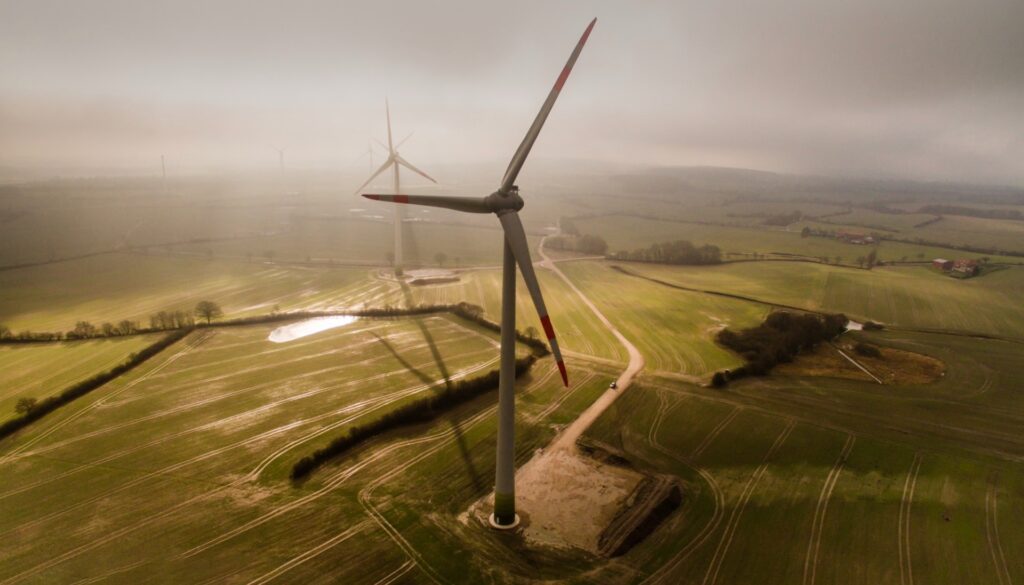
SUSI Partners, through its SUSI Renewable Energy Fund II (SREF II), has sold the Fund’s 99MW German wind portfolio to Qualitas Energy.
The sale adds another successful exit to the SREF II track record after the sale of the 208MW Norwegian wind farm Tonstad in early July 2024, SUSI said.
SREF II’s German wind portfolio consisted of seven wind farms geographically diversified across the country.
The assets combine for 33 turbines and an average annual production of 213GWh, which is enough to meet the electricity demand of approximately 63,000 German households.
With 20 turbines and a 61MW capacity, the Obernwohlde wind farm, which is located approx. 50km north-east of Hamburg, accounted for the largest production share and was at the time of the acquisition by SREF II in 2016 the largest onshore wind farm in Germany.
SUSI acquired the seven wind farms through individual transactions between 2015 and 2017 and secured debt financing at attractive terms while retaining prudent leverage levels, the developer said.
With all assets operating on a merchant basis but benefitting from feed-in tariffs that secured a guaranteed floor price, the portfolio was structured to provide robust downside and protection while retaining significant upside potential and inflation protection in times of elevated power prices above the tariff level.
In addition, the geographical distribution and technological heterogeneity of the seven wind farms further contributed to the portfolio’s ability to thrive in diverse market conditions, it added.
During SREF II’s ownership of the portfolio, the SUSI team laid the groundwork for a successful exit by applying its active portfolio management approach and leveraging its in-house technical, commercial, and ESG expertise.
A concerted effort was put into an extension of the assets’ design life from originally 20 to up to 30-35 years.
SUSI initiated a foundation design check, commissioned estimates for parts degradation as well as expected operational and capital expenditures, and managed to maintain good relationships with landowners to facilitate lease extensions.
In addition, it laid the groundwork for potential asset expansions through repowering and co-location with battery energy storage systems and solar PV assets that would allow subsequent owners to achieve a balanced generation profile and capitalise on spot-price volatility.