


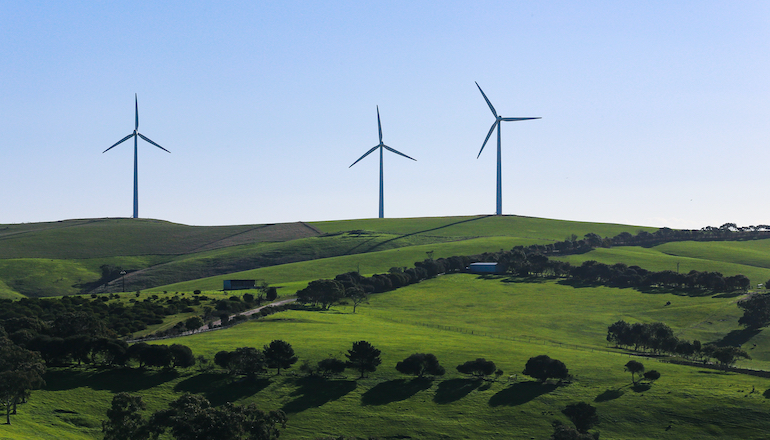
A new report is calling on the UK government to encourage electrolyser adoption in heavily curtailed wind areas to leverage wasted energy.
Through modelling conducted with LCP Delta, the Policy Exchange’s report determines that electrolysing the UK’s wasted renewable energy could create enough hydrogen to displace two-thirds of the 700,000 tonnes of the country’s current, carbon-intensive grey hydrogen consumption annually.
‘Wasted Wind to Clean Hydrogen’ highlights the UK is losing £1bn a year due to system constraints, forecast to increase to an annual £3.5bn.
The research found the volume of wasted wind generation in 2022 was sufficient to produce over 118,000 tonnes of green hydrogen, rising to 455,000 tonnes by 2029.
Angus MacNeil MP, Chair of the Energy Security and Net Zero Committee, said: “As Policy Exchange’s excellent new report makes clear, we have every opportunity to make more efficient use of our existing energy infrastructure and leverage wasted renewable energy into clean hydrogen.
“Its proposal to work with industry could achieve major system savings and deliver major investments into hydrogen production capacity throughout northern Scotland and elsewhere in the UK.
“The potential output is massive, worth two thirds of our electrolysis target for 2030.”
‘Wasted Wind to Clean Hydrogen’ outlines the policy levers available to government to work with industry in realising these opportunities, via seven primary recommendations, including collaborating with the renewables sector in development of Constraint Management Plans (CMPs).
Others include amending the Contract for Differences (CfD) regime to provide incentives for generators to enter into commercial partnerships to produce hydrogen and the avoidance of guaranteed constraint payments and allow for greater flexibility in imposition of system charges and sharing of system savings to encourage grid constraint management best practices.