The Offshore Renewable Energy (ORE) Catapult is partnering with the EDPR’s Moray East offshore wind farm in Scotland on a tagging project to better monitor and understand the behaviour of bird species.
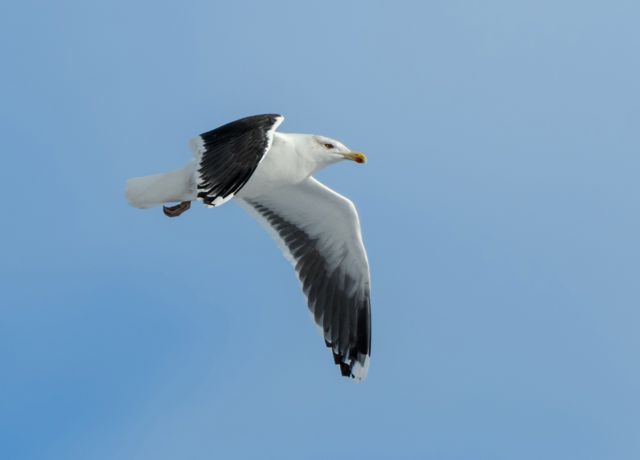
The project will initially monitor the behaviour of a colony of greater black-backed gulls in the Moray Firth area with the aim of inspiring technology that brings new levels of detail of avian habits.
The project is also being supported by the developers of the 588MW Beatrice offshore wind farm, Marine Scotland and the Highlands & Islands Enterprise.
EDPR technical lead on the project Catarina Rei said: “We’ll be able to gain a greater insight into bird and coastal species behaviour, which will better inform the planning, consenting and operational stage of an offshore wind farm development.”
ORE Catapult project manager Vicky Coy said: “The greater black-backed gull is the ideal species to launch this innovation challenge with as a colony is found in the Moray Firth area, where there are planned wind farm developments.
“The technology developed for the tagging should minimise any interference with the birds’ normal activities but, like the bird colonies it will track, will have to be extremely resilient to the harsh weather conditions found around the UK’s coastline.”
The project also has the support of the RSPB.
RSPB senior technical officer Nigel Butcher said: “This collaborative project involving industry, government agencies and seabird specialists is exactly the type of project we need if we are to realise our ambitions for offshore renewable deployment at scale and in harmony with nature.”
Image: a greater black-backed gull (ORE Catapult)
Catapult offshore bird study flies
Monitoring project underway with EDPR at Moray East offshore wind farm
 By EBS