


China is establishing itself as a global green energy leader but is still expected to depend heavily on fossil fuels in 2050.
According to DNV’s Energy Transition Outlook China, the country features unrivalled build out of renewable energy and export of renewable technology though fossil fuels will still account for 40% of its energy mix in 2050.
Strong policy support is reflected by the rapid uptake of green technologies.
China, already a leader in renewable energy investments, will more than quintuple renewable energy installations by 2050.
In 2010, wind made up only 1% of China’s electricity generation.
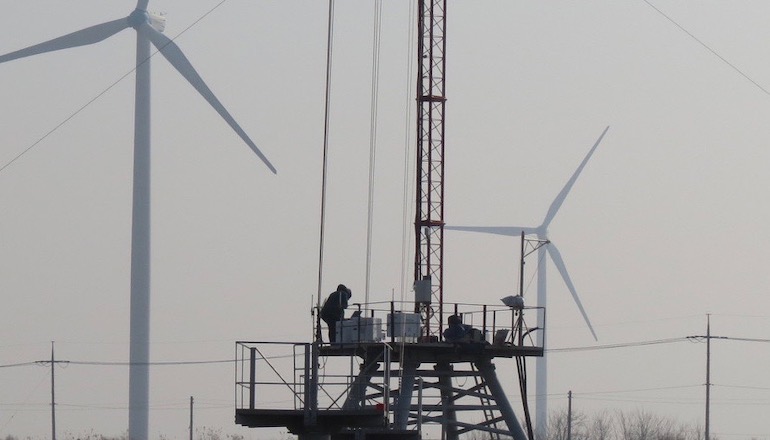
However, policy has turbocharged the sector and today wind is China’s largest source of electricity after coal and hydropower, delivering 9.4% of the total electricity supply in 2023.
By mid-century it will comfortably be the world’s largest wind market.
Likewise, solar made up less than 1% of power generation in 2015 and in less than a decade this has risen to 5% today.
Solar and wind will each contribute 38% of electricity production by 2050.
“Intense policy focus and technological innovation is transforming China into a green energy powerhouse” said Remi Eriksen, Group President and CEO of DNV.
“There is much to admire about China’s energy transition.
“There are visible signs of a vast decarbonisation effort and clean technology development within renewable energy, storage, and transmission technologies.
“However, there is potential for China to push further its transition to reduce its reliance on fossil fuels further and faster – and to bring China closer to net-zero emissions by 2050.”
The report found that China’s power sector is decarbonising quickly by replacing coal with domestically sourced renewable energy, and domestically produced coal will largely be sufficient for the remaining coal demand segments by 2050.
However, oil and gas usage will continue to rely on imports.
The report predicts that China’s oil consumption will halve by 2050 from its 2027 peak, though its use in petrochemicals and heavy transport (aviation and shipping) will linger and 84% of oil use will be met through imports.
Natural gas consumption will remain high with 2050 consumption marginally below 2023 levels and 58% being imported.
China’s energy use will peak by 2030 and reduce by 20% by 2050, driven by electrification and energy-efficiency improvements.
This decline is also enabled by demographic shifts, including a projected 100 million population decrease.