


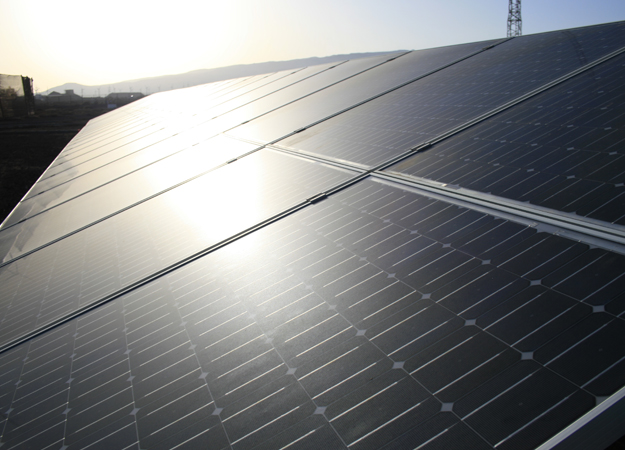
The commercial viability of new materials needed to upscale renewables to help meet climate change goals will depend on cost, availability andreliability over long periods, according to DNV GL.
DNV GL said such novel materials could include:
- alternative semiconductor material in photovoltaics – for example, halide perovskite;
- new PV module coatings, materials and coatings for the harsh conditions of CSP and thermal energy storage;
- hybrid reinforcements of wind turbine blades;
- cheaper permanent magnets in gearless direct drive wind turbines; and
- a range of innovative battery chemistries in energy storage systems.
The company added that reliability of such products is difficult to model in service conditions and often not adequately assessed in the testing of systems. Therefore, it proposes:
- coupling empirical models to a fundamental understanding of degradation;
- transforming sensor data into predictive models; and
- deploying a Bayesian network approach to bring together diverse sources of knowledge of relevance to the performance and degradation of materials.
DNV GL Research & Innovation researcher and lead author of the position paper Liu Cao said: “Trade-offs between availability, cost and performance may be made, but in all cases long-term reliability is a key requirement for materials used in the energy industry.”
Image: Morgue File