


DNV is to study safety implications of an offshore green hydrogen production plant planned off the French coast.
DNV will lead the process safety study to identify the main environmental, safety and operational risks for an electrolyser located off the coast of Le Croisic that will be supplied by electricity from a floating wind turbine.
Target start-up date is 2022.
Lhyfe is developing the electrolyser at the SEM-REV offshore test site, managed by Centrale Nantes, a French engineering and research centre.
Lhyfe and Centrale Nantes’ “ambitious goal is to make offshore renewable hydrogen a reality”, by demonstrating the reliability of an offshore electrolyser.
As part of the design of the new facility, DNV will undertake workshops and technical sessions to identify and analyse the main environmental, safety and operational risks associated with the project.
Risks which will be investigated include the floating barge, fuel cells and hydrogen production.
A regulations and standards review will also be included as part of the study.
DNV executive vice president Santiago Blanco said: “This is potentially a watershed project, one we are excited to be supporting during the FEED stage.
“Proving the safety of such activities, particularly with new technologies, to gain acceptance and move them closer to adoption, is vital for the industry and stakeholders.”
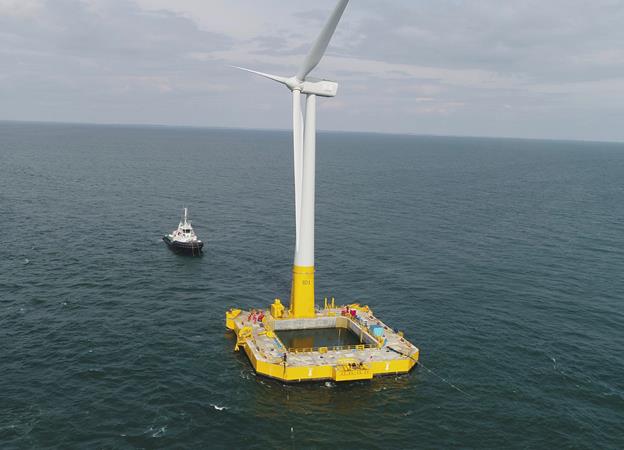
The offshore electrolyser will be installed on GEPS Techno’s floating platform and connected to the various sources of marine renewable energy available at the offshore test site, including the Floatgen floating wind turbine.
Centrale Nantes is also making its research facilities available and providing support for the various regulatory, experimental and logistical phases to ensure a successful outcome.