


Dominion Energy has proposed a battery storage pilot project that could increase the length of time batteries can discharge electricity to the grid.
In a filing with the Virginia State Corporation Commission (SCC), the Darbytown Storage Pilot Project will test two new technologies as potential alternatives to traditional lithium-ion batteries, both of which could offer strengthened safety features for battery storage.
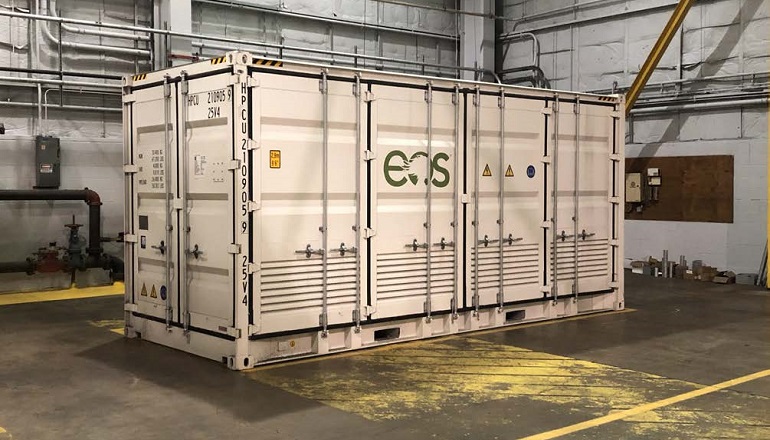
The pilot scheme, which will be located at the existing Darbytown Power Station in Henrico County, will test two alternatives to lithium-ion batteries: iron-air batteries developed by Form Energy and zinc-hybrid batteries developed by Eos Energy Enterprises.
The proposed project comes at a critical time as the company develops one of the largest offshore wind projects in the US and continues expanding its solar fleet.
“We are making the grid increasingly clean in Virginia with historic investments in offshore wind and solar,” said president of Dominion Energy Virginia Ed Baine.
“With longer-duration batteries in the mix, this project could be a transformational step forward, helping us safely discharge stored energy when it is needed most by our customers.”
Form Energy’s iron-air technology has the potential to discharge energy for up to 100 hours, significantly longer than the batteries available on the market today.
“We are pleased to partner with Dominion Energy on the innovative Darbytown Storage Pilot Project and look forward to delivering a 100-hour iron-air battery system that will enhance grid reliability and provide Dominion’s Virginia customers with access to wind and solar energy when and where it is needed over periods of multiple days,” said Form Energy’s co-founder and chief executive Mateo Jaramillo.
“We are proud to have been selected for this critical project. Dominion understands that meeting our future energy needs requires multiple storage technologies,” added Eos Energy Enterprise chief executive Joe Mastrangelo.
“We’re excited to show Dominion how well our zinc-hybrid batteries perform.”
In addition to SCC approval, the project would require development plan consent from Henrico County.
If green lit, construction would begin by late 2024, and the project would be operational by late 2026.