BEIS and Ofgem have issued the long-awaited call for evidence on flexible power on the back of the ‘Towards a Smart Energy System’ paper published last year.
The call for evidence – titled ‘A Smart, Flexible Energy System’ – focuses on removing barriers for storage and demand-side response and clarifying the role of aggregators.
BEIS and Ofgem said a smarter, more flexible and user-friendly energy system could save consumers between £17–£40bn by 2050.
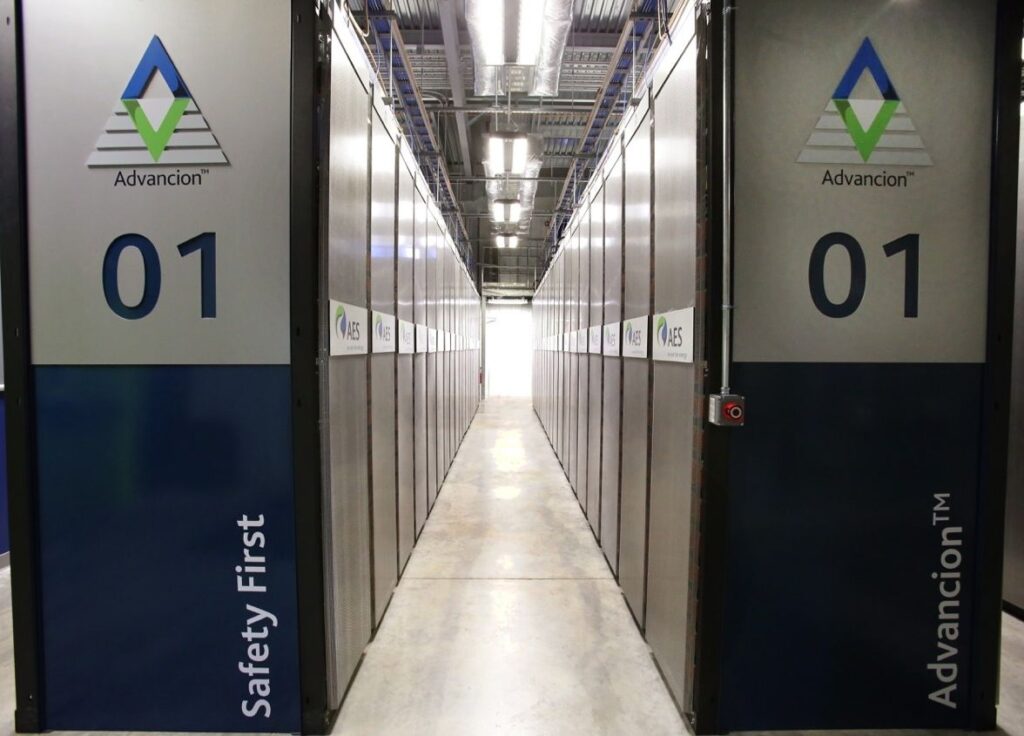
That includes increasing the use of energy storage technologies, such as batteries in homes, businesses and networks.
Ofgem said over 19GW of applications have been made to connect electricity storage in recent months.
Responses to the call for evidence closing on 12 January will shape a roadmap expected to be published by BEIS in spring 2017.
The plan will set out the specific actions to “remove barriers, improve price signals, catalyse innovation, and shape roles and responsibilities in the shift to a smart, more flexible energy system which meets the needs of consumers and businesses now and in the future”, the department said.
BEIS Secretary Greg Clark added: “Giving people access to a smarter energy system that is affordable, secure and puts them in control of their energy costs is an important part of our work to build an economy that works for all.”
The call for evidence has been ready to publish since May, but was held back due to the change of government administration following the EU membership referendum.
The call for evidence documents can be read here.
Image: Battery energy storage system (AES)