


McKinsey has launched an updated Global Energy Perspective revealing the global energy transition is entering a new phase, marked by rising costs, complexity and increased technology challenges.
Growing energy demand and resulting emissions could affect the pace of the energy transition, which will require a “rethink” of both low-carbon and fossil fuel strategies to meet the goals outlined in the Paris Agreement, according to the report.
The Global Energy Perspective 2024 explores a 1.5° pathway as well as three bottom-up energy transition scenarios to show the implications of different paths to net-zero – providing a fact base to inform stakeholders as they navigate this new phase.
Global energy demand is projected to grow by up to 18% through 2050, mainly driven by growth in energy consumption in emerging economies (especially ASEAN countries, India and the Middle East).
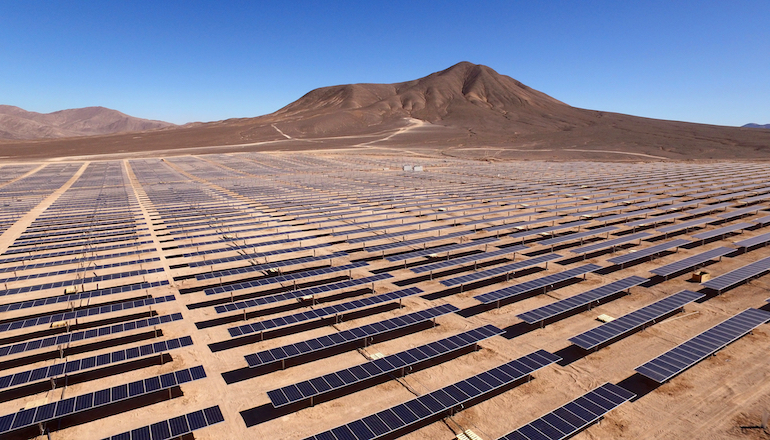
Renewables are projected to grow to 65%-80% of the global power generation mix by 2050 depending on the scenario.
Notably, hydrogen demand is projected to be up to 25% lower than previously anticipated due to cost increases of 20%-40% and regulatory uncertainty.
Fossil fuels are projected to account for 40%-60% of total energy demand to 2050, with fossil fuel demand projected to plateau between around 2025-35 and begin declining thereafter.
Key drivers of oil demand decline include EV uptake, continued plastic recycling and increased demand for sustainable fuels.
Annual capital spending on physical assets is projected to grow by up to 80% by 2040.
The analysis demonstrates the build-out of clean energy technologies has not been fast enough to meet growing global energy demand.
To date, the expansion of renewable energy sources has largely benefitted from the most promising use cases or “low-hanging fruit” where policy and funding have been most plentiful.
Diego Hernandez Diaz, Partner at McKinsey, said: “To navigate this critical phase of the energy transition while keeping it affordable, reliable, and green, we need urgent action and a faster pace of change.
“Even with the surge in global net zero targets, the technologies needed to reach them aren’t progressing quickly enough.
“Low-carbon solutions must scale up, but they’re facing an uphill battle as rising interest rates and supply chain challenges limit access to capital.”
Critically, the report also shows that the current pace of the energy transition could necessitate new oil production to meet energy demand, across all bottom-up scenarios.
The previously anticipated fossil fuel peak at the end of this decade is now better characterised as a plateau.
Simultaneously, the projections show the global carbon price is too low to drive the decarbonisation required for the conditions of faster scenarios to be met.