


Equinor will account for more than 50% of renewables investing among oil and gas majors over the next five years, according to analysis by Rystad Energy.
Investments in new solar and wind energy projects by the world’s oil and gas producers in the period are forecast to reach $17.5bn (€15.5bn), the research found, with Equinor expected to account for $10bn of this figure.
Consultancy Rystad highlighted Equinor is the only investor whose majority of greenfield capital expenditure will go towards renewable energy.
The analysis found that almost all of the renewable investments, totalling $17.5bn, will come from 10 oil majors.
For comparison the group is forecast to spend $166bn on greenfield oil and gas projects during the same period.
Equinor will “drive renewable investment among majors”, spending $6.5bn in the next three years to build its capital-intensive offshore wind portfolio, Rystad’s analysis found.
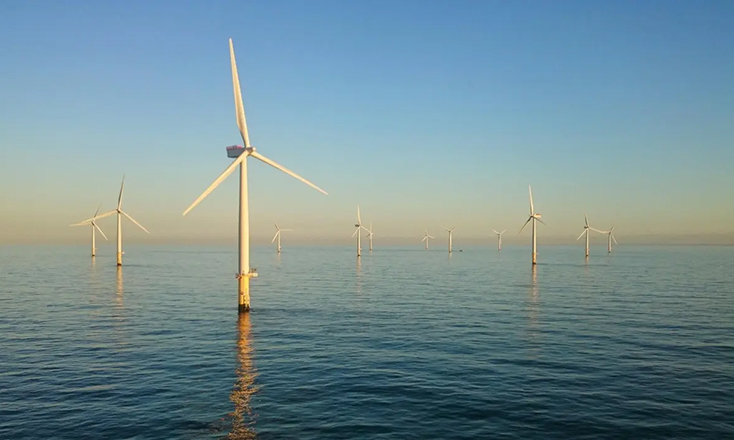
“We do not expect this forecast to be heavily affected by the fluctuating oil price or CapEx cuts, as much of the company’s renewable portfolio is already committed, such as the massive Dogger Bank offshore wind project in the UK,” Rystad stated.
After Equinor, the runner-up is Portuguese operator GALP, directing just under a quarter of its greenfield expenditure to green initiatives.
Removing Equinor from the outlook revealed renewable investments by oil and gas companies is set to decline over the next three years.
“This fall does not even factor in any of the recent CapEx cuts announced by the majors,” Rystad said.
Rystad Energy product manager for renewables Gero Farruggio said: “Recent suggestions of ‘resilient green strategies’ or ‘business as usual’ simply do not carry much weight, with the exception of Equinor.
“Not until later in the decade do we see an increase in renewable spending from other companies.”
With the “notable exceptions” of Equinor and GALP, the investments in renewables by the other oil giants will “not even match” the typical CapEx requirements of a single oil and gas field in their respective portfolios, said Rystad.
If needed, due to the Covid-19 pandemic, a 20% capex cut across overall investment portfolios could be achieved while easily avoiding any cuts to renewable projects, Rystad stated.
“GALP and Shell look the most exposed to potential renewable spending cuts, but these companies are not expected to make significant renewable investments in the near term – not before 2024 for GALP and even later for Shell – by which time we expect the oil price will have recovered, thus creating a better environment for investment,” stated Rystad.
It also found Covid-19 could be “the catalyst” for oil majors to pump more capital into renewables, acquiring assets, developing skills and nurturing the capacity to transition beyond petroleum.
“The pandemic is creating a number of distressed sellers and reducing acquisition costs for assets and companies, thereby creating opportunities for ‘Big Oil’ to accelerate its energy transition through acquisitions.
“And with E&P companies announcing deep spending cuts, we may yet see a ramp up in renewable investments as recent headlines suggest, facilitated by new mergers and acquisitions,” added Farruggio.