


The Emerging Market Climate Action Fund (EMCAF) will invest $25m in Alcazar Energy Partners II, which funds for renewable energy projects in the Middle East, North Africa, Eastern Europe and Central Asia.
This commitment is in parallel to EIB Global, the dedicated arm for outside the EU of the European Investment Bank (EIB) Group, which provides $75m to the fund.
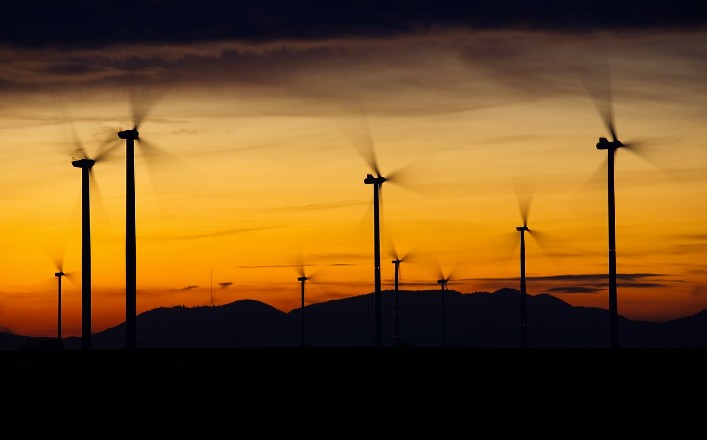
Alcazar Energy Partners II has a target size of $500m and will invest in onshore wind and solar photovoltaic, with additional potential investments in hydropower, biomass or battery-based electricity storage or other low-carbon technologies.
The fund is expected to create 15,000 construction jobs and contribute to the installation of over 2GW of new clean energy capacity, saving 3.2m tonnes of greenhouse gas emissions per year, generating clean energy to power over one million households.
EMCAF is a joint project between the EIB and Allianz Global Investors (AllianzGI) to finance climate mitigation and adaptation as well as environmental projects in Africa, Asia, Latin America and the Middle East.
Daniel Calderon, co-founder and managing partner of Alcazar Energy, commented: “The successful first close of AEP-II is a tribute to the disciplined and responsible work of our Alcazar team, who originated, developed, and exited AEP-I’s portfolios, creating value for investors and, most importantly, for the countries and communities where AEP-I invested.
“AEP-II is privileged to have the confidence of an outstanding group of public and private institutions to invest and develop in renewable energy projects, mobilising more than $2bn of foreign direct investment from OECD economies to build sustainable infrastructure where it is needed most.”
EIB vice-president Ambroise Fayolle said: “To meet the Paris climate goals and strengthen global energy security, the world’s energy systems must decarbonise as soon as possible. To do this, the financial system needs to mobilise trillions of dollars from private sector green energy projects.
Tobias Pross, CEO of AllianzGI, added: “Emerging markets are where the money for climate adaptation and mitigation is needed most and where it will have a much more immediate impact than in developed countries.”