


BP’s gas and low carbon energy business reported a profit of just over $6bn in its third quarter 2022 financial results, for the period ending 30 September, compared with nearly $2bn in the same period in 2021.
After excluding adjusting items, the underlying replacement cost profit before interest and tax for the third quarter was $6.24bn, compared with $1.08bn, for the same period in 2021.
Total adjusted EBITDA for the third quarter in 2022 was $7.4bn compared with $3bn in the same period in 2022.
Adjusting items include adverse fair value accounting effects of $9.2bn for the quarter, primarily arising from a further significant increase in forward gas prices during the third quarter.
BP’s installed renewables capacity (net) reached 2GW, up 300MW compared with 300MW in the same period in 2021.
Developed renewables to FID status reached 4.6GW in the period compared with 3.6GW in the same period in 2021.
BP’s renewables pipeline, at the end of the third quarter, stood at 26.9GW, which increased by 1.1GW during the quarter due to net increases in the solar pipeline.
The renewables pipeline increased by 3.8GW for the nine months, primarily as a result of BP and its partner EnBW being awarded a lease option off the east coast of Scotland to develop an offshore wind project with a total generating capacity of around 2.9GW (1.45GW BP net) in the first quarter, and additions to the Lightsource BP pipeline.
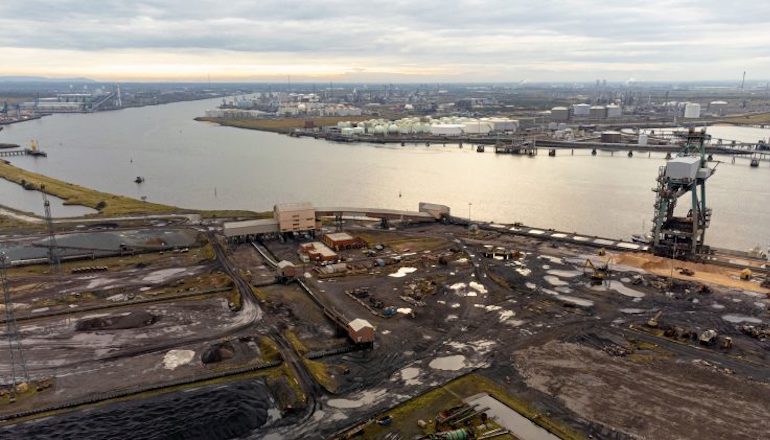
On 12 October BP submitted a bid to the UK government for its proposed “flagship green hydrogen project”, HyGreen Teesside, to produce an initial 80MW of hydrogen by 2025 and 500MW by 2030.
In September BP closed its 40.5% investment in AREH (Asian Renewable Energy Hub) project in the Pilbara region of Western Australia, which has the potential to be one of the largest renewables and green hydrogen hubs in the world.
The other partners are InterContinental Energy (26.4%), CWP Global (17.8%) and Macquarie Capital and Macquarie’s Green Investment Group (15.3%).