


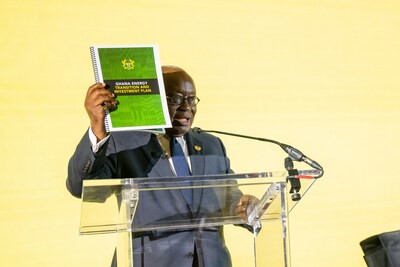
Ghana has outlined its new Energy Transition and Investment Plan, detailing how the country can achieve net-zero energy-related carbon emissions by 2060.
The country’s existing Energy Transition Framework previously set a target of net zero by 2070, but this new plan shows Ghana has increased its ambition and is targeting net zero by 2060.
Various sectoral changes and technologies are proposed in the plan. Four main decarbonisation technologies – renewables, low-carbon hydrogen, battery electric vehicles and clean cookstoves – would cover over 90% of the targeted abatement by 2060.
By implementing this plan, Ghana and its partners can instead bring the country’s energy-sector-related carbon emissions to net zero, while demonstrating that action against climate change does not need to come at the expense of economic development.
Ghana’s government intends to use the plan to engage the international community and investors for support with its energy transition. All measures suggested in the plan represent potential investments of $550bn.
Speaking during the Global Africa Business Initiative event in New York, Ghanian President Nana Akufo-Addo: “This pioneering Energy Transition and Investment Plan maps out Ghana’s journey to achieve net-zero emissions by 2060 based on the latest data and evidence, ensuring that as our economy thrives, it does so in harmony with the environment.
“This plan is a testament to our dedication to fostering green industries, nurturing the evolution of cutting-edge low-carbon technologies, and propelling our nation towards a sustainable industrial revolution while giving equal growth opportunities to men and women.”