


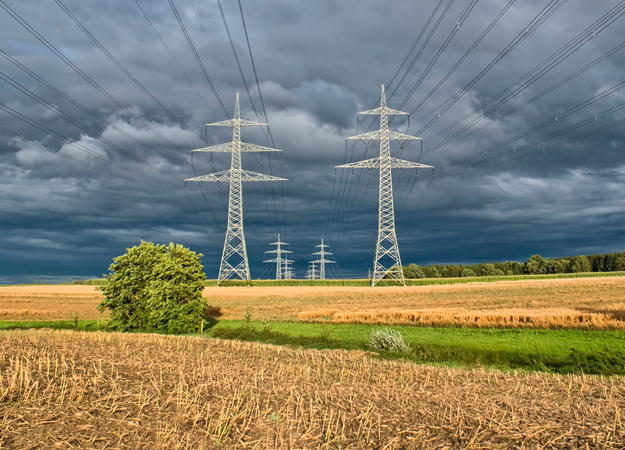
Grid readiness and the integration of renewables into the grid network is the biggest single threat to realising net zero ambitions in the power sector.
The findings are from the ‘Future of Utilities’ study, published on the eve of the World Economic Forum’s Annual Meeting in Davos, which incorporates insights from nearly 600 industry experts worldwide.
The study, produced by Abu Dhabi National Energy Company PJSC (TAQA) and Bloomberg Media, highlights a pressing need for coordinated global action to expedite grid development.
This acceleration is crucial to match the pace of new distributed, renewable power generation.
Notably, over 50% of respondents identified grid infrastructure as the primary obstacle to utilities achieving net zero goals, beyond issues such as supply chain or capital issues.
Many respondents pointed to an era of profound change in the utility sector, with 93% of insiders advocating for higher levels of change.
This shift includes evolving operating models, customer relations, and a stronger focus on innovation.
The study also found that a decisive move towards customer empowerment is evident, with growing expectations for consumers to generate their own energy.
This trend “signifies a pivotal step” for utilities to achieve net-zero objectives, necessitating a re-evaluation of operational models to foster greater customer involvement in energy production.
Only 44% of sector professionals express confidence in meeting the 2030 carbon reduction targets, underscoring an urgent need for robust policies and innovative approaches.
The report notes varying levels of confidence across regions, with Saudi Arabia and UAE showing higher optimism compared to India and Germany.
The report reveals that the slow adoption of innovative technologies in the utilities sector is largely due to a lack of awareness and insufficient collaboration with the tech and innovation community.
According to BloombergNEF, $21tn of grid investment is needed by 2050 to expand and refurbish the global electricity system.
Additionally, BloombergNEF’s Energy Transition Investment Trends 2023 expects electrified transport, renewable energy, and grids to dominate investments from 2023 to 2030, comprising 72% of annual combined share.