


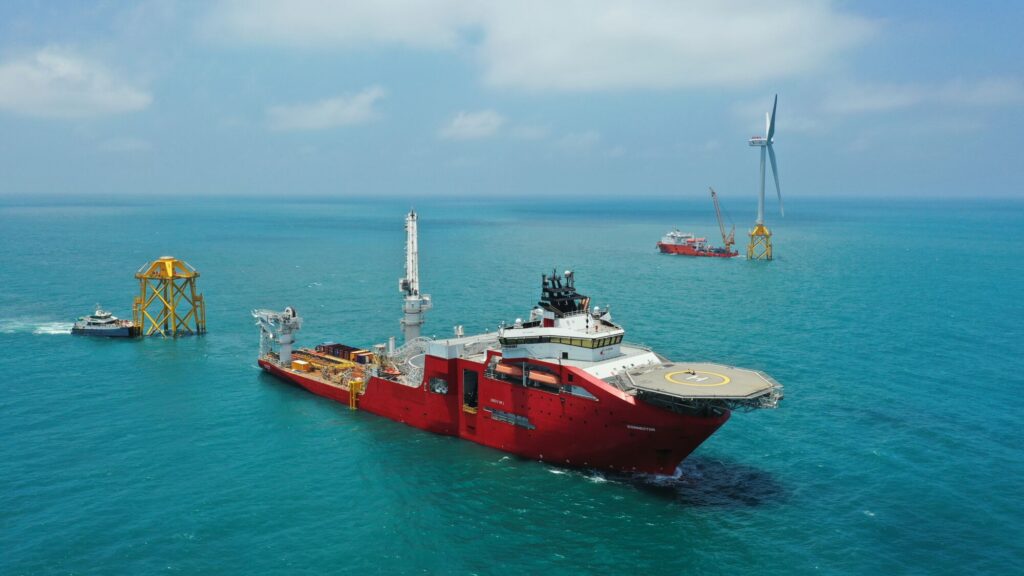
Australian green technology company Fortescue and Belgian marine contractor Jan De Nul Group have agreed to work together to lay sub-sea cables and deliver green electrons from North Africa to Europe.
The deal between the two outfits was signed in Rabat, Morocco by Fortescue chairman Andrew Forrest and Jan De Nul executive chairman Jan Pieter De Nul.
The agreement builds on the joint venture signed between Fortescue and OCP to supply green hydrogen, ammonia, and fertilizers to Morocco, Europe, and international markets. The JV includes exploring the potential development of manufacturing facilities and an R&D hub to advance the rapidly growing renewable energy industry in Morocco.
“There is a massive opportunity to send renewable electrons from Morocco and North Africa to Europe to industries and consumers who deserve a better choice than the only one they currently have available – carbon emitting, global warming causing fossil fuels,” said Fortescue’s Dr Forrest.
“Europe, under EU rules, will impose carbon taxes globally through its Carbon Border Adjustment Mechanism on industries that fail to convert energy supplies to renewable energy.
“Fortescue believes a lack of cable-laying capability is creating a bottleneck in connecting Morocco to Europe, making this pursuit with Jan De Nul one the most outstanding opportunities we have across the world.
“It will bring substantial benefits to both North Africa and Europe in terms of employment, economic growth and providing citizens with a choice to use fuels made using green energy.”
De Nul added: “It is clear that the electrification transition is happening worldwide.
“Direct transport and consumption of green electrons is one of the most efficient ways to help reduce the total energy needs of the world.
“With our know-how, highly skilled and motivated staff and crew, and our versatile fleet of construction vessels including five of the world’s cutting edge subsea cable laying vessels we are ready to construct the energy transition.”
The OCP Fortescue Joint Venture is subject to customary closing conditions, including regulatory approvals.