Energy storage could help deliver £2.4bn of consumer savings if current market arrangements are tweaked according to a report commissioned by Scottish Renewables.
In the ‘Cracking the Code: A Guide to Energy Storage Revenue Streams and How to Derisk Them’ report published today, SR sets out a series of recommendations to “level the playing field” for the emerging energy storage sector.
The recommendations include longer contracts from National Grid for support services like frequency response and fast reserve to enhance bankability, unlocking new revenue opportunities within the distribution network, and exploring the introduction of a ‘cap and floor’ mechanism for storage assets with long lifetimes.
SR policy director Jenny Hogan said: “A whole series of changes are needed if we are to ensure that the cheapest and most efficient technologies provide the services that a modern clean electricity system requires.
“These range from ensuring that service contracts are procured in a way that supports investment in low-cost technologies, through to encouraging aggregators to ensure that people already deploying in storage in their homes are able to realise the full benefits it can bring.”
The report was commissioned by SR from Everoze, with assistance from RES and the University of Strathclyde’s Power Networks Demonstration Centre.
Everoze partner Felicity Jones said: “If the overwhelming challenge for the solar and wind sector has been cost reduction, the key challenge for storage is getting financiers comfortable with the merchant risk of revenue streams.
“Continued reduction in the capital cost of storage is needed, but renewables developers eyeing up storage must flip their attention from cost to the other half of the profit formula: revenue.”
The report’s publication comes a day before a National Grid tender for 200MW of Enhanced Frequency Response closes. In excess of 1.3GW pre-qualified for the tender, of which 888MW was from battery storage projects.
For an in-depth look at battery storage, read next week’s edition of subscription-only newsletter reNEWS
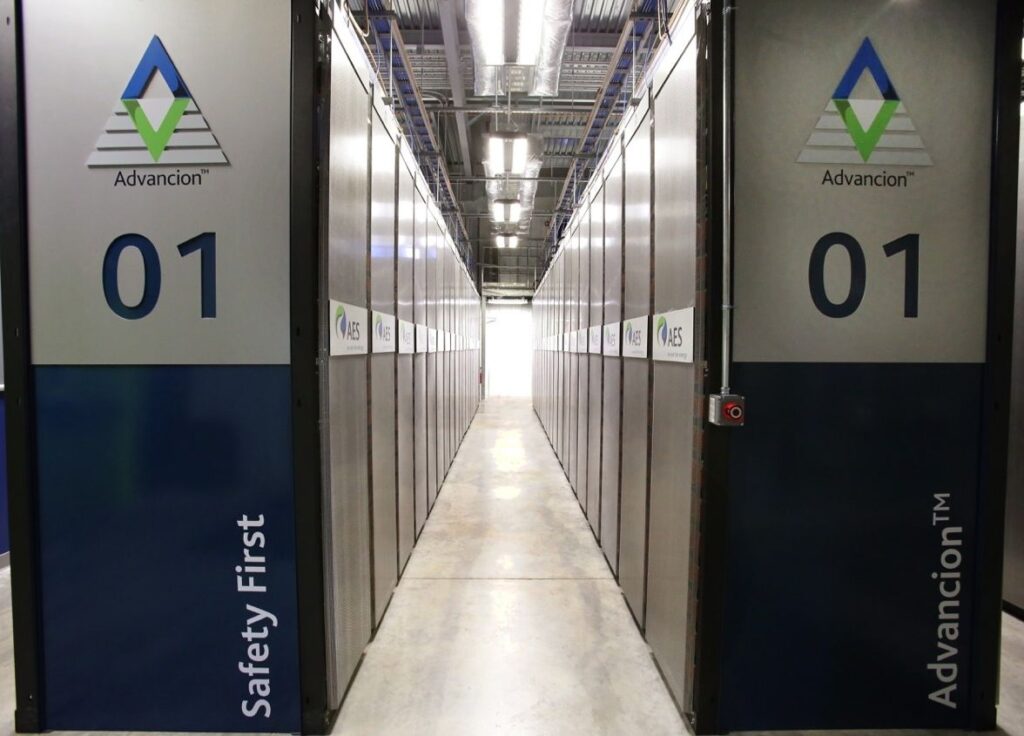
Image: Battery storage (AES)