


Japan is to set a new 2050 net zero target, Prime Minister Yoshihide Suga said in his first policy speech to the Japanese Diet today.
The goal is an increase on a previous target of 80% emissions reductions by 2050 and carbon neutrality “as soon as possible” following that.
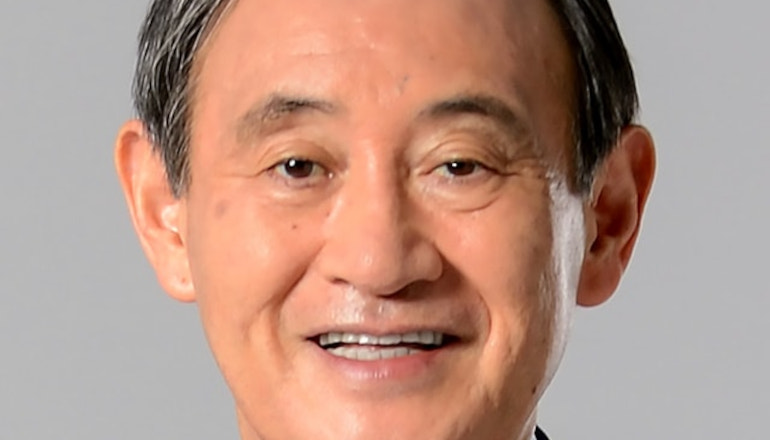
In widely reported remarks Suga (pictured) said: “Responding to climate change is no longer a constraint on economic growth … We need to change our thinking to the view that taking assertive measures against climate change will lead to changes in industrial structure and the economy that will bring about growth.”
New solar cells and carbon recycling would be key to its goals and Japan would increase its R&D on those topics, he added.
Greenpeace Japan welcomed the announcement but said concrete actions were needed to realise the goal.
It noted that Japan’s Basic Energy Plan was scheduled to be revised next year and needed to reflect the net zero target.
“In other words, in order to achieve virtually zero by 2050, Japan should significantly increase the proportion of renewable energy and aim to supply 50% of its power generation with renewable energy by 2030,” said Greenpeace Japan secretary-general Sam Annesley.
“A target of 50% or less will not reach virtually zero, and may exceed the 1.5 degree target set by the Paris Agreement, leading to even more dangerous levels of temperature rise.”