


Labour is to challenge the UK Government to support the creation of 400,000 jobs through a green recovery from the Covid crisis.
Ahead of this month’s Comprehensive Spending Review Labour said the Government must recover jobs by bringing forward planned capital investment, at least £30bn in the next 18 months, and dedicate it to low carbon sectors, as part of a rapid stimulus package.
Other measures include putting in place an emergency training programme to equip people affected by the unemployment crisis with the skills they need for the future greener economy.
Labour said it also wants to see the creation of a National Investment Bank similar to those operating in other countries, focused on green investment.
The consultation report details a number of areas where progress has so far been limited in the UK, but where action now would support the creation of new jobs and tackle the climate and environmental crisis.
They include investing in upgrading ports and shipyards for offshore wind supply chains and expanding investment in carbon capture and storage and hydrogen, to help establish new opportunities for highly-skilled workers.
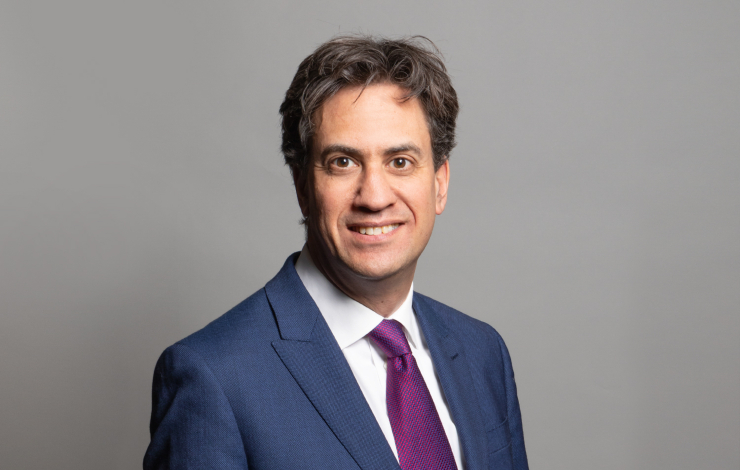
Ed Miliband MP, Shadow Secretary of State for Business, Energy and Industrial Strategy, said: “This is the right thing to do for so many people who are facing unemployment, the right thing to do for our economy to get a lead in the industries of the future and the right thing to do to build a better quality of life for people in our country.
“As other countries lead the way with a green recovery, Britain is hesitating. It’s time to end the dither and inaction and start delivering now. It is what the British people deserve and what the crises we face demand.”
Commenting on Labour’s plans, a Labour for a Green New Deal spokesperson said: “We welcome Labour’s plan for 400,000 green jobs, but call on the party to be braver and go further.
“Labour has ready-to-go policies which can tackle the climate crisis, create millions of good green jobs and build back better after Covid, from Warm Homes for All to a National Care Service to Universal Broadband.
“In the face of economic, health and climate crises, now is not the time to scale back our ambitions.”