


The UK Government should publish a net zero delivery plan which takes account of energy security, and makes clear what decisions are needed by when, according to a new House of Lords report.
It identified a number of issues where action is needed now if the Government is to meet its objective to be net zero by 2050.
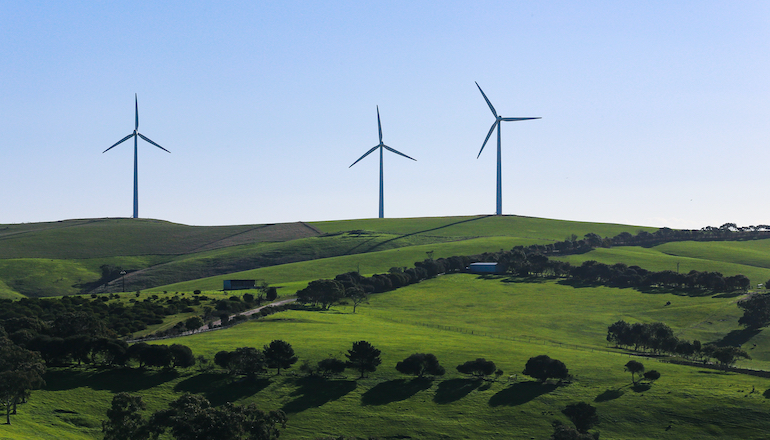
These include re-examining its ambitions for onshore wind, while being mindful of there being some local opposition to it; and explore how local communities could benefit from the energy that is produced in their areas.
The cross-party Lords Economic Affairs Committee report Investing in energy: price, security and the transition to net zero concludes that these measures are necessary to avoid a disorderly transition to net zero.
The committee also recommended the Government designs market models for low carbon technologies – such as long-duration storage, blue and green hydrogen, and carbon capture and storage – so as to make energy pricing more predictable.
It should also include energy security objectives in the National Planning Policy Framework alongside the climate change objectives.
The Government should also ensure that the UK Infrastructure Bank focuses on financing innovative and potentially riskier projects with the aim of signalling to investors that these projects are viable.
Finally, it should set out the steps the UK needs to take to avoid becoming reliant on strategic competitors, notably China, for critical minerals needed for low-carbon technology; and examines supply chain vulnerabilities and policies to mitigate them.
Chair of the House of Lords Economic Affairs Committee Lord Bridges of Headley said: “The impact of Russia’s invasion of Ukraine on energy prices has been a wake-up call on how vulnerable our energy security is.
“The Government has set ambitious targets for low-carbon power generation, but there is a gap between those ambitions and practical plans for delivery.
“If we don’t plug that gap, and fail to ensure that our energy is reliable, affordable and renewable, our transition to net zero will be disorderly – and we will all pay the price.
“So action is needed to build investor confidence, mobilise more capital and accelerate the deployment of renewables in the decades to come.
“The message to the Government is clear: act now to avoid falling into the gap.”