


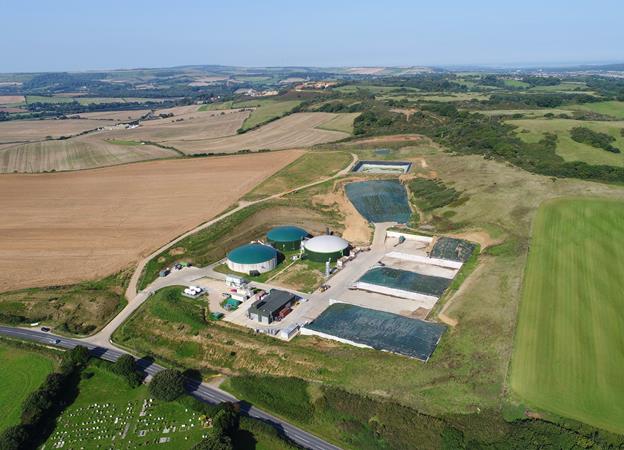
During 2021 the equivalent of almost 55,000 homes in the north of England were fuelled by the renewable gas biomethane, figures compiled by Northern Gas Networks (NGN) have revealed.
The amount of biomethane produced increased by almost 10%, meaning the equivalent of 5000 more homes received renewable gas in 2021, with the amount of biomethane injected into the grid representing enough gas to serve the household needs of a town nearly the size of Middlesbrough.
Today 85% of UK homes are connected to the gas grid and using renewable gas can help reduce carbon dioxide emissions to help meet the UK government’s target of Net Zero carbon emissions by 2050.
Biomethane is a renewable gas produced through anaerobic digestion and is a substitute for the natural gas transported through the gas grid. Unlike natural gas, biomethane is carbon neutral and can therefore play a vital role in helping to reduce emissions.
To produce biomethane, anaerobic digesters are fed with waste products such as sewage sludge or food waste. The material is left to break down naturally and in the absence of oxygen it creates biogas, which can be upgraded to biomethane and sold for injection into the gas grid.
NGN, the gas distributor for the north of England, arranges connections to its grid for biomethane producers.
Since first accepting biomethane into the gas grid in 2014, the amount of green gas being used to heat homes and businesses has increased year on year.
The Green Gas Support Scheme (GGSS), providing financial incentives for new anaerobic digestion biomethane plants to increase injection of green gas into the gas grid, opened for four years in November 2021 and offers quarterly payments for 15 years based on the amount of eligible biomethane that a producer injects into the gas grid.