


The rapid uptake of clean energy technologies offers major opportunities for countries looking to manufacture and trade them, according to a new IEA report.
Energy Technology Perspectives 2024 also found the transition also presents challenging decisions for governments, which face tensions and trade-offs based on the industrial and trade policies they opt to pursue.
The report focuses on the outlook for the top six mass-manufactured clean energy technologies: solar PV, wind turbines, electric cars, batteries, electrolysers and heat pumps.
Based on today’s policy settings, the global market for these technologies is set to rise from US$700bn in 2023 to more than US$2tn by 2035 – close to the value of the world’s crude oil market in recent years, the IEA found.
Trade in clean technologies is also expected to rise sharply. In a decade’s time, it more than triples to reach US$570bn, more than 50% larger than the global trade in natural gas today, according to the analysis.
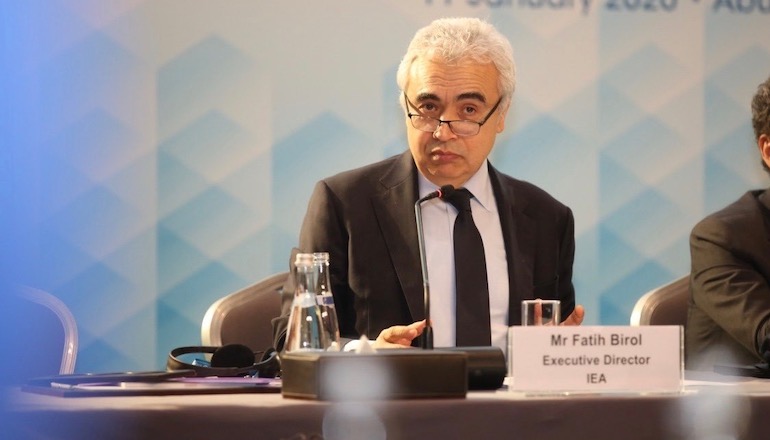
IEA executive director Fatih Birol (pictured) said: “The market for clean technologies is set to multiply in value in the coming decade, increasingly catching up with the markets for fossil fuels.
“As countries seek to define their role in the new energy economy, three vital policy areas – energy, industry and trade – are becoming more and more interlinked.
“While this leaves governments with tough and complicated decisions ahead, this groundbreaking new IEA report provides a strong, data-driven foundation for their decisions.
“Clean energy transitions present a major economic opportunity, as we have shown, and countries are rightly seeking to capitalise on that.
“However, governments should strive to develop measures that also foster continued competition, innovation and cost reductions, as well as progress towards their energy and climate goals.”
The increase in the global clean technology market has been accompanied by a record wave of investment in the manufacturing of green technologies as countries look to bolster their energy security, maintain their economic edge and reduce emissions, the report found.
Most of this spending is concentrated in the countries and regions that have already established a clear foothold in the sector and are looking to build on their positions: China, the European Union and the United States, and increasingly India.
However, despite the strong impact of the Inflation Reduction Act and Bipartisan Infrastructure Law in the US, the EU’s Net-Zero Industry Act and India’s Production Linked Incentive Scheme, China is set to remain the world’s manufacturing powerhouse for the foreseeable future, IEA said.
Under today’s policy settings, its clean technology exports are on track to exceed US$340bn in 2035, which is roughly equivalent to the projected oil export revenue this year of Saudi Arabia and the United Arab Emirates combined.