


More flexibility around sharing construction, balancing, price and contract risks between purchasing and generating parties in power purchase agreements (PPAs) is the chief sticking point in many deal negotiations in Europe, according to a new report by law firm Fieldfisher.
The company conducted a survey of players in the PPA market including power generators, buyers, investors and advisers in the final quarter of 2019, prior the global outbreak of Covid-19.
It found that just 10% of those questioned said they had difficulty finding suitable partners for corporate PPAs.
Buy-side drivers include the opportunities these agreements offer to hedge against fluctuating wholesale energy prices, profitability stemming from long-term price certainty, and the brand kudos that comes with procuring energy from renewable sources.
Reasons for not entering corporate PPAs include the unpalatable risk-sharing arrangements, regulatory barriers, difficult strike price negotiations, inflexible length of contract term, and prohibitive transaction costs.
However, the market is still in its infancy and its growth partly depends on expanding the pool of potential power purchasers, said Fieldfisher.
It said that with the exception of the EU’s Renewable Energy Directive, there is no specific regulatory framework for supporting or promoting corporate PPAs at the level of European law, and currently no standardisation of contracts across the EU.
“Market participants recognise that anticipated regulatory changes and greater standardisation of CPPA contracts will help adjust the balance of risk, making deal terms more acceptable to a wider range of corporate buyers,” said Fieldfisher.
Almost 90% of respondents said standardised documentation for contracts would benefit the market.
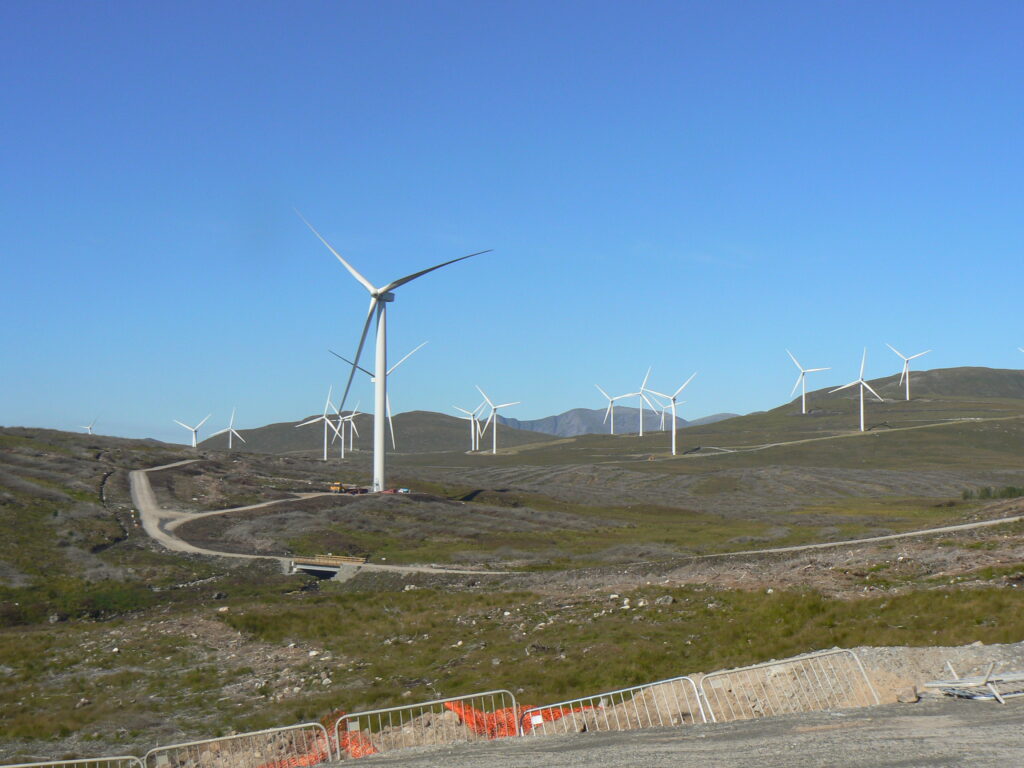
The survey also found that onshore wind is the most popular form of generation for PPAs, with 77% of respondents saying they would consider a deal with this type of energy.
Fieldfisher energy regulatory partner David Haverbeke said: “CPPA contracts need to have the flexibility to deal with, and provide remedies for, a range of risks, such as delays, inability to fulfill supply obligations, cost overruns and insolvency of suppliers.
“Corporates who take on these risks want them to be balanced by certain rights in the event that these risks are realised.
“As many CPPAs are not simply financial transactions, but projects which claim to offer wider benefits, most parties looking to enter CPPAs appreciate that a middle ground has to be reached.”