


The International Energy Agency (IEA) is calling for “major efforts”, including from international financing, to boost energy efficiency, renewable power and low emissions fuels in south-east Asia.
The organisation’s Southeast Asia Energy Outlook 2022 highlighted that the region’s reliance on fossil fuels to meet rising demand for energy is proving to be a “significant vulnerability” in today’s energy crisis.
Meeting energy security and emissions goals will require countries in the region to make “major efforts to improve energy efficiency, accelerate renewable power generation and switch to low emissions fuels”, the outlook stated.
The 10 member economies of the Association of Southeast Asian Nations (ASEAN) are among the world’s fastest growing.
ASEAN’s members are Brunei Darussalam, Cambodia, Indonesia, Laos, Malaysia, Myanmar, the Philippines, Singapore, Thailand and Viet Nam.
The report stated that international support will be critical, especially to boost innovation and develop much needed infrastructure such as renewable power generation and grids, as well as facilities for low emissions fuels.
Total energy investment would need to reach $190bn a year by 2030 to meet the region’s climate goals, up from around $70bn a year between 2016 and 2020.
While international development finance is essential, the report says ASEAN members could reduce financing costs and attract private investors by signalling their clear commitment to deploy low-carbon energy and by improving regulatory and financing frameworks.
ASEAN countries’ accelerated transition to sustainable energy would not only cut emissions and fossil fuel imports, according to the IEA’s Southeast Asia Energy Outlook 2022, but also speed up universal access to electricity and clean cooking, as well as provide greater business opportunities in the emerging clean energy economy.
Based on today’s policy settings, energy demand in the region is set to grow by around 3% a year to 2030, with three-quarters of that increased demand being met by fossil fuels, according to the new report, the IEA’s fifth edition of the regional outlook.
As a result, south-east Asia’s CO2 emissions would grow 35% from 2020 levels.
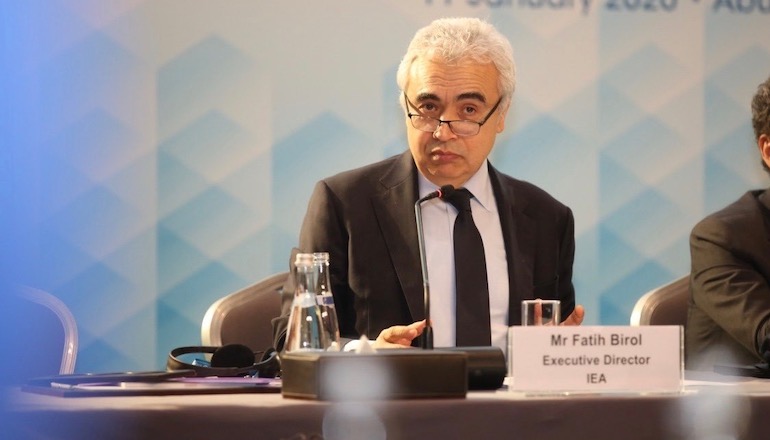
IEA executive director Fatih Birol said: “Southeast Asia is an emerging heavyweight of global energy, and the speed of its economic development makes it even more essential that the region’s governments hasten efforts to transition to sustainable energy and that they get the international support they need to do so.
“This report is a testament to the IEA’s strong and productive relationship with ASEAN’s dynamic members, and we stand ready to accompany them as they strive to provide clean, affordable and secure energy for all their citizens.”