The UK has slipped to 13th place – an all-time low – in EY’s latest Renewable Energy Country Attractiveness Index, on the back of policy changes and ongoing uncertainty over the role of renewables in the country’s energy mix.
The EY report said the government’s decision to opt for gas and nuclear, instead of renewable energy, to fill an anticipated energy supply gap is the main reason for the UK’s “landslide” fall.
The early closure of the renewables obligation regime and the end of contracts for difference (CfDs) after one round have also “limited the routes to market” for onshore wind and solar power, said EY.
The report warns that investment in new projects could decrease “drastically” from 2017, following current record levels of activity attributed to developers rushing to meet deadlines before support for renewables is withdrawn.
EY energy corporate finance leader Ben Warren said: “A noncommittal approach to energy policy is putting the attractiveness of the UK’s renewable energy sector on a landslide.
“The current approach is going against the grain of almost universal global support for renewables and is masking the UK’s advantages – a growing energy imperative as ageing power plants are retired, strong natural resources and efficient capital markets.
“In the absence of real changes to the direction of policy support and greater demand for renewables in the energy generation mix post 2020, the only way for the UK in our index seems to be down.”
Elsewhere in the index, European markets slipped down the rankings while less mature markets across Latin America, Africa and Asia moved up, EY said.
The US, China and India continued to hold on to the top three spots in the index, while Chile moved up to fourth, Brazil sixth and Mexico seventh.
In contrast, EY said Germany slipped to fifth and France fell to eighth.
Critical to the US holding on to top spot was the five-year extension of federal tax credits for wind and solar, which provided certainty for investors and is forecast to galvanise significant capacity deployment through to 2020, the report said.
It added that Chile is one of the first markets to enable economically viable renewables projects to compete directly with all other energy sources.
Brazil market shows “surprising resilience” during an economic downturn, it added.
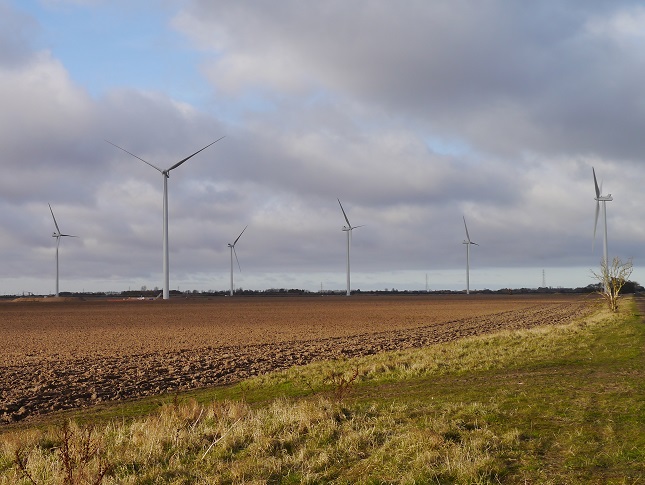
Image: the Grange wind farm in Lincolnshire (RES)