


Vattenfall has completed a UK project that helped enable the creation of a regulatory and consenting regime for offshore hydrogen transportation and storage.
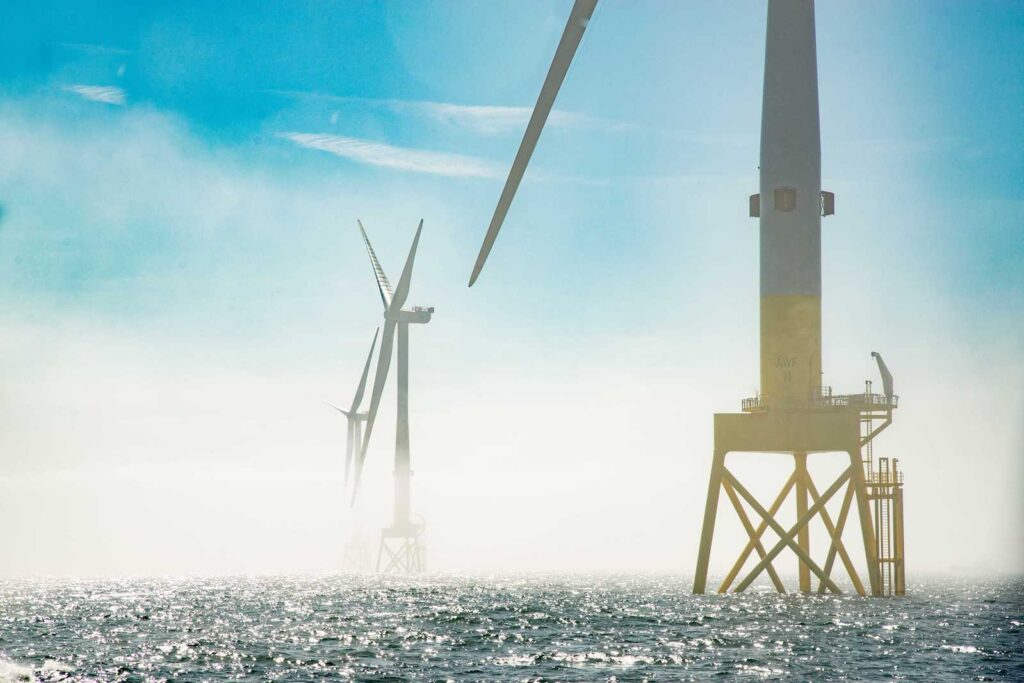
The HT1 project, which ran for two years, was designed around Vattenfall’s European Offshore Wind Development Centre off the coast of Aberdeen, Scotland.
It clarified roles and responsibilities of interlinking regulators, which will be crucial to the development of the future renewable hydrogen market in the UK.
Part of the project was funded by the Department of Energy, Security and Net Zero through the Low Carbon Hydrogen Supply 2 funding programme.
Having tested the development phase for decentralised offshore hydrogen production, and in light of other industry advances, Vattenfall has now taken the decision to conclude the project.
Vattenfall will continue to explore fossil fuel-free hydrogen production as part of the energy transition.
The findings from the project will be presented later in 2024.
Lisa Christie, Country Manager for Vattenfall in the UK, said: “Vattenfall is immensely proud that the HT1 Project has led to the creation of the new consenting regime for future offshore hydrogen production, transportation and storage in the UK.
“The technological and environmental progress we have made will also enable further advances by the industry towards the creation of a thriving offshore hydrogen production market.”
The legislative change that brings in the consenting regime (offshore hydrogen transportation and storage to be covered under Pipeline Works Authorisation) was introduced in September 2023 under Statutory Instrument (SI) 971, “The Petroleum Act 1998 (Specified Pipelines) (Amendment) and Importation and Storage of Combustible Gas (Designation of Substance etc.) Order 2023”.