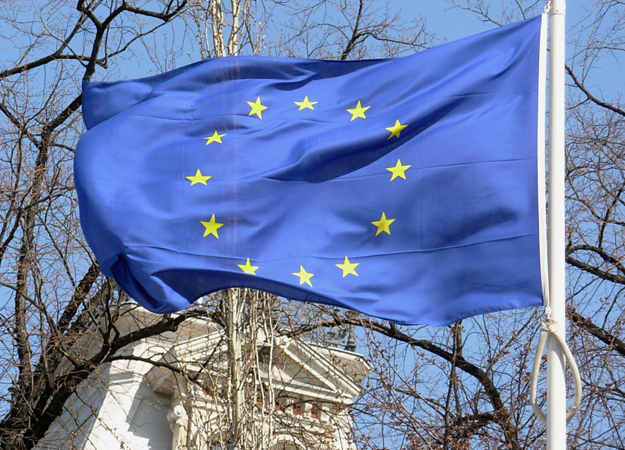
The renewables sector is faced with a two-year period of policy uncertainty following the UK’s vote to leave the European Union.
The successor to Prime Minister David Cameron, who will step down in October, is expected to notify the European Council of the UK’s intention to leave the EU and trigger an up to two-year negotiation to agree exit terms.
The Vote Leave campaign group said the UK could formally leave the EU in 2020.
The prospect of a UK general election in the autumn raised further doubts about the UK’s commitment to low-carbon policy, said sources.
“The vote to leave the EU will likely make its impact felt by creating an immediate heightened level of policy and regulatory uncertainty,” said EY head of power & utilities Tony Ward.
“Whatever government emerges in the aftermath of the leave vote it will need to clarify its policies with respect to climate change, renewable energy, technology preferences, State Aid and many other matters of direct relevance to the utility industry, and to its investors.”
In theory, if perhaps not in practice, the UK would no longer be under obligation to meet its renewables targets under the EU Renewable Energy Directive.
Only by entering into a customs union with the EU like Turkey or negotiating a Swiss-style ‘special relationship’ with bilateral energy deals could the UK avoid current and future renewables directives.
Whatever happens the UK would, however, remain bound by national and international decarbonisation targets.
Ward added: “In many respects, the UK has taken a lead in Europe when it comes to renewable and low carbon policies – the question as to whether support for low carbon technologies will be withdrawn, and whether other industries will be favoured, is a fundamental one.
“How UK governments from now use their freedom from EU policy constraints will be watched closely.”
Energy and Climate Intelligence Unit director Richard Black added: “There has been speculation that an independent UK would scrap measures to tackle climate change.
“These measures are mostly enshrined in British law, however, and it seems likely the strong cross-party majority in favour of reducing emissions in both Houses of Parliament would seek to defend them.”
Image: sxc
Vote raises post-EU policy questions
Brexit, political changes create uncertainty over low-carbon commitment
 By EBS