The Biodiversity Research Institute has announced the results of a three year project on the location and numbers of wildlife along the eastern seaboard in the US.
The multi-state project aims to increase ecological data on birds, marine mammals and sea turtle distributions and movements along the Atlantic coast.
The results will be used to inform future sustainable offshore development in the mid-atlantic from Delaware to Virginia. They will be used to help regulators and developers choose the right locations and help conservation in future projects.
The project, one of the biggest of its kind ever undertaken, was funded by the Department of Energy and other partners.
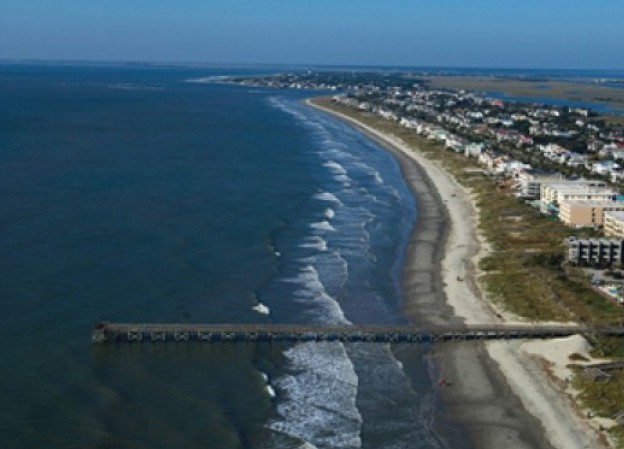
BRI’s lead researcher Kate Williams said: “This comprehensive study is important because we now have baseline data that will become a foundation for making well-informed environmental management decisions.Image: Atlantic coastline (DVB)
“With the help of our collaborators, we also made a variety of technological, methodological, and analytical advancements to move the state of technology forward for future wildlife studies. This project is a model for future studies of its kind.”
The project used surveys, tracking and statistical models to provide the information which will be used to inform future projects.
It found aerial surveys are useful for covering larger offshore areas and boat surveys can provide more detailed data on species.
The area is an important site for many species, includes breeding grounds and is a ley migratory corridor.
Image: Atlantic coastline (DVB)