


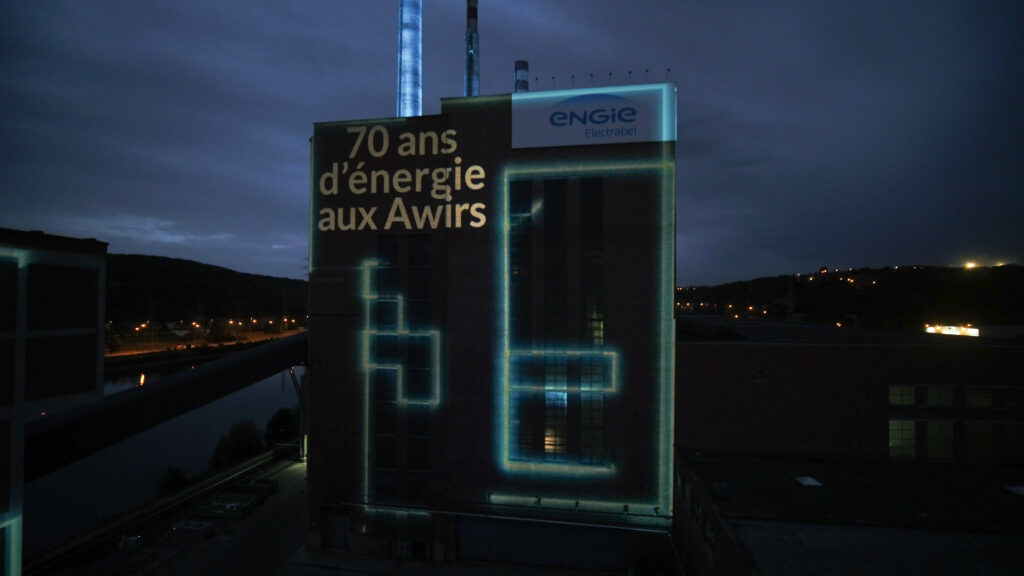
Engie Electrabel biomass plant in Les Awirs, Belgium will produce its last kWh on Monday.
Originally commissioned in 1951 and initially operated on coal, the closure is due to the age of certain components and the end of the period for the granting of green certificates.
Since 2005, a biomass unit of 75MW, the largest in Wallonia, has provided enough local and renewable electricity to cover the consumption of 160,000 households
Work on the decommissioning of the plant upstream of Liège after 69 years of thermal electricity production will begin in April 2021 and will be completed by the end of 2023.
Its 40 employees will be transferred to other locations of Engie.
As a responsible player and local producer for more than 100 years, Engie continually evaluates its production techniques, with a strong commitment to renewable energy.
Once the plant is dismantled, Engie said site will be completely restored to its original state, with special attention paid to the recycling of materials and to the safety, health and peace of mind of local residents.
At the same time, the future of the site is being studied including the option to build a new gas-fired power station that would complements intermittent renewable energy sources.
Engie director of thermal activities in Europe Cedric Osterrieth said: “It is with great emotion but also with pride that I share with the 40 employees in Les Awirs and all those who have worked there, that we are closing this power plant permanently.
“For almost 70 years, we have been contributing to the security of supply in Belgium at a time when the demand for electricity has grown considerably.
“We were able to adapt to the technological and environmental challenges in a way that was safe for employees and local residents.
“We will continue to play our role as responsible operator by disposing of the axles from the coal burning of the power station to the 1970s on the hénâ-terril, next to the site. We are also studying the future of the site.
“For example, Les Awirs is part of Engie’s commitment to constantly evaluating its production techniques, with an emphasis on renewable energy sources and carbon neutrality.”