


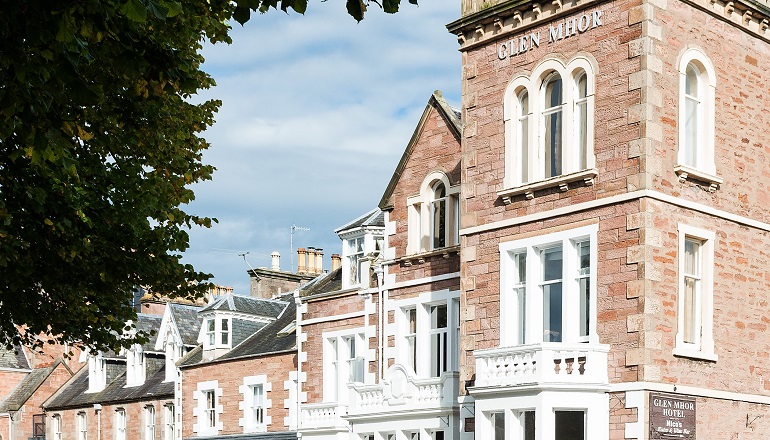
An Inverness hotel is to pioneer a low carbon heating innovation which could pave the way for future decarbonisation of the gas grid in the Scottish Highlands capital and further afield.
The Glen Mhor Hotel has commenced construction on a £2.5m system which will draw natural heat from groundwater.
The groundwater source comes from geological sand and gravel layers found at shallow depth around Inverness, which is connected to the River Ness.
The natural groundwater heat, gathered from shallow wells, will be further heated by electricity-driven heat pumps before being distributed to guests’ rooms and apartments via a small district heating network.
The Water Source Heat Pump project has received Scottish Government funding through the Low Carbon Infrastructure Transition Scheme and will generate ongoing carbon savings of 200 tonnes a year.
Twenty gas fired boilers, currently in operation, will be scrapped and replaced with two heat pumps housed in an Energy Centre.
Once the natural heat has been drawn, the water will flow back into its River Ness source.
“This is a unique project and we are proud to be part of it. It crystallises a decade of research on the best low carbon solutions for the hotel,” said Glen Mhor co-owner, Jon Erasmus.
“It is all part of our long term effort to achieve Net Zero. Guests today want to know that their are having as minimal an impact on the climate as possible and all businesses have a duty to decarbonise as much as possible.
“We also have the long term Inverness Distillery plan for the hotel so we want to take steps now to ensure our energy systems are climate and future friendly.”
Similar innovations, where heat is drawn from groundwater, are operational at the Tate Modern and Royal Festival Theatre in London.