


The carbon footprint of Vattenfall’s wind power has been reduced to 13 grammes of carbon dioxide per kilowatt hour generated, compared with 15 grammes in 2016.
Vattenfall said that its new Swedish Blakliden Fabodberget wind farm landed at a record low 8 g CO2/kWh.
In this case, this is a 47% reduction in emissions compared with six years ago, the company said.
Vattenfall said that having a higher proportion of modern wind farms with a longer anticipated service life and higher generation are important contributing factors to reducing emission levels.
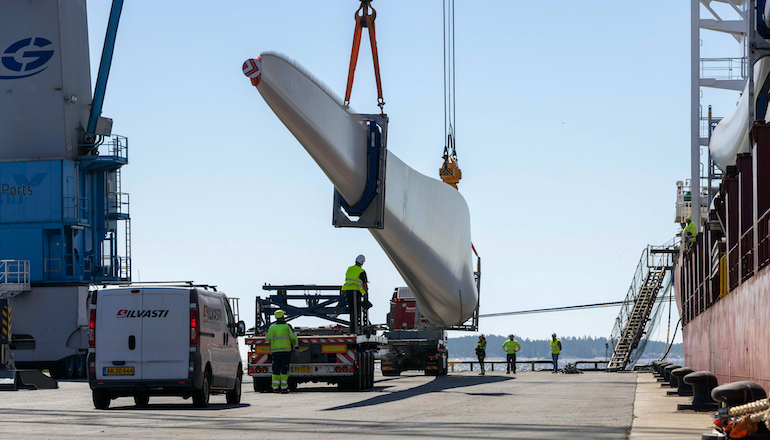
It said most CO2 emissions come from the extraction of raw materials, construction of components, the construction phase and transport.
The analyses show that the greatest contributions to this downward trend come from shifting to fossil-free energy and making energy efficiency improvements in energy-intensive processes, such as turbine manufacturing and raw material production throughout the life cycle.
Vattenfall head of environment Helle Herk-Hansen said: “The new wind power environmental declaration makes it clear that new technology is pointing us in the right direction with its lower climate footprint per kilowatt hour generated.
“We are seeing a similar development for solar panels and other new technologies such as batteries.
“These technologies are highlighted in the IPCC report on reaching the 1.5 degree target as key technologies for reducing emissions from the energy sector and enabling climate transition and fossil free living within one generation.
“The recently inaugurated, partially owned Blakliden Fabodberget goes to show how technological development and knowledge provide a rapid reduction in grammes of carbon dioxide per kilowatt hour.
“Life cycle assessments teach us how we can improve our own performance, engage in dialogue with suppliers and collaborate with developers to reduce environmental impact over time.”