


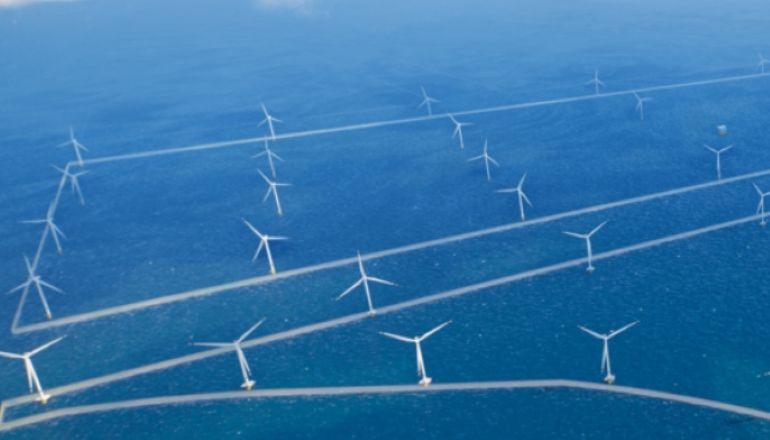
AquaVentus is calling for increased investment support for offshore wind through clear rules enabling hybrid electricity and hydrogen connections under the planned reform of the WindSeeG.
The group said the Federal Ministry for Economic Affairs and Energy should move quickly to establish a framework that allows pipelines and cables to be combined to optimise offshore wind use and reduce hydrogen transport costs.
It added that all other North Sea countries already allow hybrid concepts and warned that delays could raise investment needs for offshore infrastructure and trigger compensation risks.
AquaVentus stated that the absence of hybrid options in upcoming revisions of the spatial development plan for zones 4 and 5 in the North Sea could create legal uncertainty and billions of euros in follow-up costs.
The group also warned that electricity-only overplanting and peak-shaving incentives could lead to revenue losses and inefficient use of offshore wind energy.
AquaVentus said offshore electrolysis offers a more system-friendly solution by providing flexibility and supporting both the electricity and hydrogen systems.
It cited a Frontier Economics study showing annual savings of up to €1.7 billion when offshore electrolysers are integrated to avoid bottlenecks, reduce curtailment and limit the need for additional transmission lines.
“Changes to the regulatory framework are urgently needed, as they affect the entire energy sector,” said Jörg Singer, chairman of AquaVentus.
“While auctions raised €12.6 billion in 2023 and still €3 billion for two sites in 2024, we saw the first auction without a single bid at the end of 2025,” he added.
“There is a clear understanding that the main cost drivers of renewable energy expansion lie in premature regulatory constraints,” Singer stated.
“What matters now is to design the framework in a way that allows cost-efficient, system-friendly solutions and innovation to be realised.”