


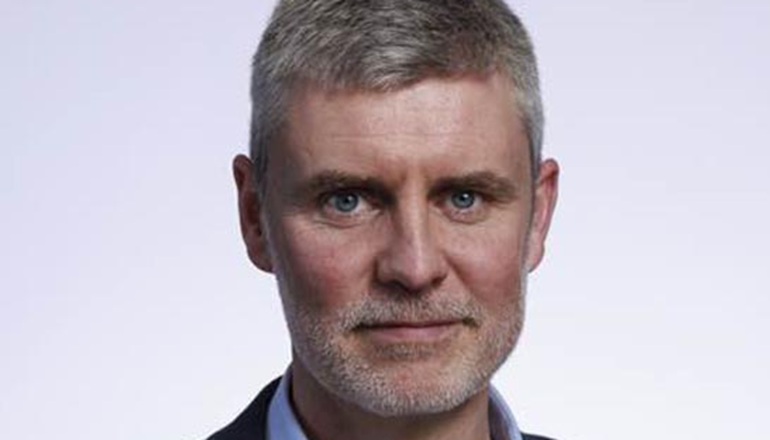
Offshore Energies UK (OEUK) has appointed a Flotation Energy’s Barry MacLeod as part of several board personnel changes.
MacLeod (pictured), MD of the floating wind developer is one of four new board hires.
The move demonstrates the industry’s commitment to a sustainable future and reflects the growing number of OEUK members that are expanding into renewables, while continuing to drive ever cleaner energy production.
In other changes Doris Reiter, BP’s Senior Vice President North Sea succeeds Neil McCulloch as Operator and Developer Chair, having previously served as Vice Chair to the Board, with Scott Barr, Managing Director UK Business Unit at Harbour Energy, becoming Operator and Developer Vice-Chair.
Reiter said: “Connecting our intellect, innovation and diversity of experience will be our shared driving force as we continue delivering the homegrown energy the UK needs today – and I’m extremely enthusiastic about playing my part.”
Flotation Energy is the developer behind the Green Volt and Cenos Floating Offshore Wind Farms in the North Sea and also has a wider portfolio of offshore wind in England, Ireland and the Asia Pacific.
Prior to joining Flotation, MacLeod held several executive leadership roles, including two years as CEO of EPCI company Rever Offshore and 5 years as UK MD of Bibby Offshore.
The other four board appointments include Diane Frachon, who at SLB leads early-stage technology investments for the company’s key growth areas such as industrial decarbonisation, renewables and critical minerals businesses.
David Whitehouse, CEO Offshore Energies UK, said: “On behalf of our Board, I’d like to thank Neil for his invaluable contribution. We look forward to continuing to benefit from Doris’s significant input as she steps into her new role on the Board.
“We welcome Luciano Vasquez, Nathan Morgan, Diane Frachon and Barry Macleod and look forward to benefiting from their experience and skills as we work together to shape the future of our energy system.
“The next six months will be critical to the future of those working in the sector, along with the communities that depend on those jobs, and the wider UK economy.”