


Nexans has announced plans to invest €90m to support the growth of offshore wind in Europe.
The investment will include the construction of a new, 53-metre tower for the insulation of onshore cables at Nexans’ plant in Charleroi, Belgium and will allow for the production of 3000-square milimetre 525kV HVDC onshore cables necessary to support TenneT’s three grid projects, BalWin 3, LanWin 4, and Lanwin 2 under the frame agreement signed last year.
Nexans said it is committed to a long-term strategy of electrification made possible only through the support of renewable sources of energy. This investment will enable the company to fulfil this vision and drive the next electrical revolution forward.
The investment will also include upgrades to the cable manufacturing process such as a new stranding line and a degassing system specifically designed for HVDC cables and a new aluminium drawing line to increase the volume of wire production.
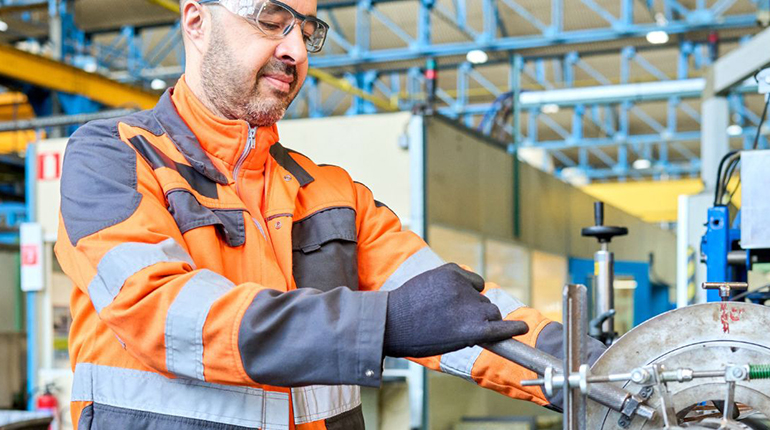
While the majority of the investment will be directed at upgrading its manufacturing plant in Charleroi (pictured), Nexans’ other facilities will also get a boost including a new HVDC lab with a hall specifically built for 525kV HVDC testing at its Calais facility in France, and a new injection press at its power accessories facility in collaboration with teams in Erembodegem, Belgium.
The investment will begin in 2025 and run through 2026 when the work is completed.
The Charleroi plant will also connect to the La Sambre channel, allowing Nexans to reduce transportation CO2 emissions by 85%.
The city of Charleroi has already begun a project to establish a multimodal transportation platform in this area.
“We are pleased to announce this new investment reinforcing our position as a leader in the energy transition,” said executive vice president of Nexans generation and transmission business group.
“The ability to produce land cables up to 525kV is a game changing capability that will enable us to drive the transition forward for years to come.
“We are looking forward to completing this critical upgrade in our infrastructure to keep pace with the ever-increasing electricity demand globally.”