


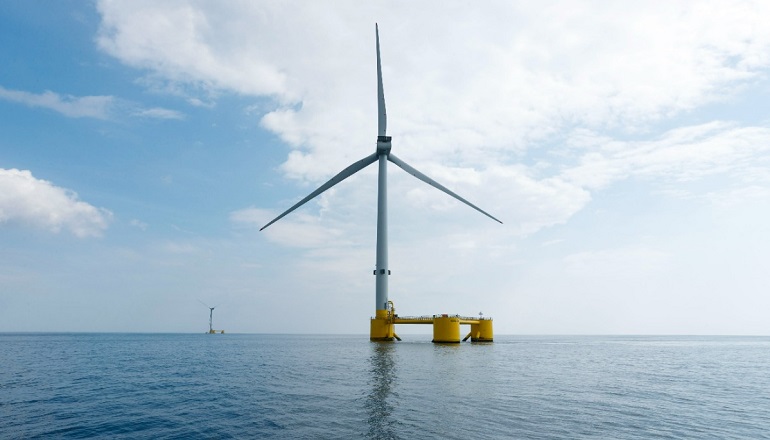
Cobra and Flotation Energy have completed the baseline surveys for their 100MW Whitecross floating wind farm in the Celtic Sea.
The partnership has wrapped up the environmental and geophysical investigations, both onshore and offshore, which will inform the project impact assessment and consent application.
The last type of survey, the onshore geophysical ones, were completed last week on the final sections of the onshore proposed cable route and were carried out by subcontractor Wessex Archaeology.
These surveys used gradiometer equipment to identify sub-surface archaeological features, made from materials such as iron, steel, brick, burned soil and rock, the developers said.
They do this by mapping contrasts between the physical properties of potential buried archaeological remains and the surrounding soil, they added.
Wessex Archaeology also worked with the project’s consenting partners Royal Haskoning DHV to ensure geophysical data was collected from a range of land types including sand dunes, marsh lands and arable fields.
Offshore geophysical and benthic surveys were also completed over the summer.
All the data from these campaigns will now be analysed and reviewed to provide a detailed picture of the environmental and geophysical features of the project area, the developers said.
The results will inform the project design, the environmental impact assessment process and support the consent application, they added.