


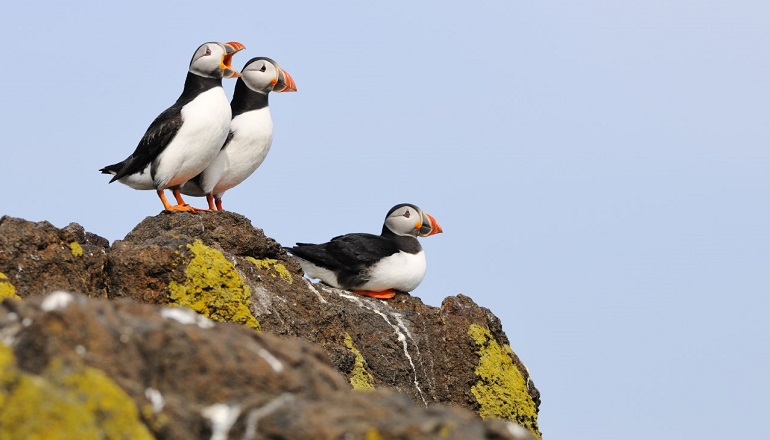
Adapting the location of projects and providing specially designed safe places for birds to nest at sea can help ensure offshore wind expansion is sympathetic to efforts to restore seabird populations.
A new report by the Royal Society for the Protection of Birds (RSPB), Powering Healthy Seas, brings together expertise from energy and conservation as the first step towards developing a blueprint for how offshore wind can be delivered safely while setting the “right conditions for seabird populations to recover and thrive again”.
Katie-jo Luxton at the RSPB said the current system is not working.
“Energy companies are being locked into development sites that are problematic for wildlife and the Secretary of State is regularly being asked to make impossible decisions that may achieve our energy targets but only at the expense of our seabirds and marine habitats,” she said.
Luxton added: “We need to change this, as the decisions we make today will have long lasting and potentially irreversible effects on seabird colonies that are already struggling.
“This report clearly states what we need to do at a time when decision-makers are beginning to plan new developments.
“With the right planning and a cross sector approach, we can achieve world leading ocean recovery and secure renewable energy, but only if we take transformative Nature Positive action, now.”
RenewableUK’s Environmental Policy Analyst Juliette Webb said: “We’re working with the RSPB to ensure that we develop offshore wind farms in an environmentally sensitive way which protects birds and support marine ecosystems.
“This includes adapting the location of our wind farms and providing specially designed safe places for birds to nest at sea.”
The report looks at the need for a robust ecological evidence base to inform environmentally conscious siting of new offshore wind farms, country-level marine plans to provide clarity to marine users, impact assessments that identify cumulative impacts of multiple developments and innovative industry standards, supported by government policy.
It also explores adaptive management techniques that offer flexibility in the face of changing conditions or new information, strategic compensation, where necessary, to ensure ecological impacts are appropriately addressed and a marine net gain system to help drive nature recovery and improvement.
Today, all bar one of the UK’s 25 breeding seabirds are Red or Amber listed on the Birds of Conservation Concern, and this is before conservationists are able to fully understand the impact of this years’ Avian Influenza outbreak on colony populations.
With government commitments to tackle the nature and climate emergency, there are legally binding targets for halting species decline and reducing greenhouse gases by decarbonising the energy sector.