


A UK pilot has demonstrated the gas grid can feature a 20:80 hydrogen to natural gas blend, potentially paving the way for Britain to cut emissions.
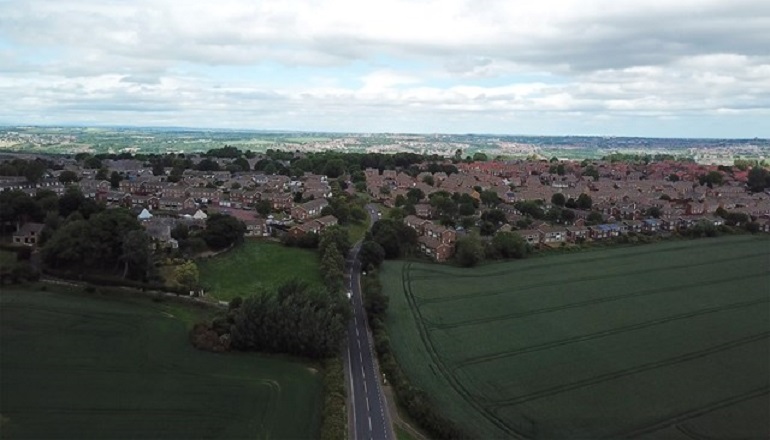
The HyDeploy project saw up to 20% hydrogen blended with natural gas on a public gas network in Winlaton, Gateshead operated by Northern Gas Networks.
In future, green hydrogen produced using electricity from renewable energy plants to drive electrolysers, could be fed into the gas grid, decarbonising heating.
Heating in the UK is responsible for around a quarter of carbon emissions.
Because green hydrogen produces no carbon at the point of use, it is a viable alternative for heating homes and businesses to achieve the Government’s target of Net Zero carbon emissions by 2050.
In a pilot lasting 11 months, West Lane Primary school, St Paul’s church and 668 homes in Winlaton, Gateshead, used up to 20% of hydrogen (by volume) blended into a public natural gas network for the first time.
Customers continued to use their gas supply and appliances as normal, without any changes needed to gas appliances including boilers, cookers and fires, or pipework as current gas appliances are designed to operate with a blend of up to 23% hydrogen.
Winlaton resident Biba Thompson said: “There was no difference to using our gas when it contained the hydrogen.
“I am the sheltered scheme officer for some housing in the pilot area and everyone here was enthusiastic about doing their bit to reverse the effects of climate change and agreed that it was great that our small village in the North East was chosen for such a ground-breaking pilot.”
Fergal O’Donovan, Hydrogen Programme Manager at Northern Gas Networks, added: “We’re delighted to have successfully completed blending hydrogen into the gas supply at Winlaton.
“The recent unprecedented hot weather has brought the need to tackle climate change to the forefront of people’s mind and this project has demonstrated that hydrogen blending can play a role in decarbonising heat with no disruption.
“We’d like to thank the residents of Winlaton for their participation and support in this vital demonstration”
The first phase of HyDeploy saw 100 homes and around 30 commercial buildings on a closed network at Keele University successfully use the hydrogen blend for a period of 18 months which ended in the spring 2021.
Angela Needle, Director of Strategy at Cadent, added: “We’ve been thrilled to pass the baton from the first ever hydrogen blending trial at Keele University to Northern Gas Networks who have successfully completed blending into the gas network in the village of Winlaton.
“By blending hydrogen into the gas network, the people in Winlaton could start using a greener gas without having to make any changes to their home or the way they use their heating and cooking. Forming part of the evidence we are putting to Government to enable their 2023 policy decision on blending hydrogen into the gas networks as a means to support decarbonisation targets”.
The report of findings from the Winlaton project will be submitted to government later this year, ahead of a decision around the wider blending of hydrogen in the UK gas network, which is due to be taken in 2023.
HyDeploy is continuing to test the safe use of blended hydrogen for domestic and commercial use. In addition, there are ongoing projects testing the use of hydrogen for heat, including the Hydrogen Homes at Low Thornley near Gateshead where 100% hydrogen can be seen in use in a show home boiler, cooker, hob, fire and even a barbecue.
Earlier this year Ofgem shortlisted two UK locations for a Hydrogen Village demonstration, which will see natural gas swapped to hydrogen in around 2000 properties.
The Hydrogen Village programme will commence in 2025 and is expected to last around two years.
The shortlisted locations are an area of Redcar in the North East and Whitby, Ellesmere Port in the North West.