


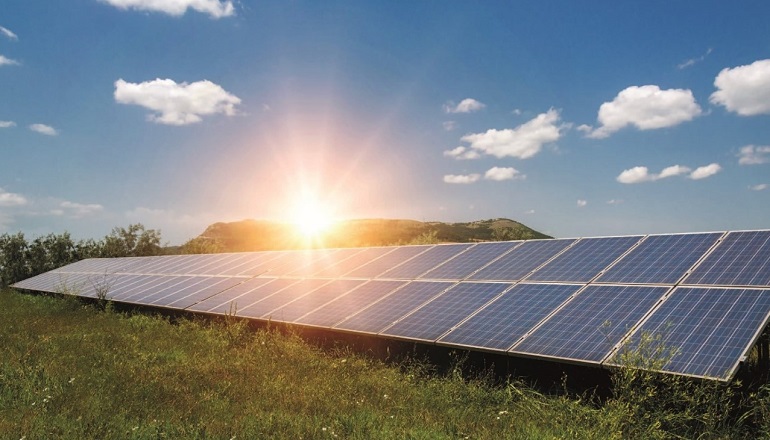
EDF Renewables, working with environmental consultancy Nature Positive, is seeking academic partners to deliver a programme of ecological research to understand the environmental benefits of solar farms.
Focusing on Longfield Solar Farm, a new solar farm proposed by EDF Renewables and Padero Solar on approximately 380 hectares of intensive arable farmland near Chelmsford in Essex, the research would be the first to look at the positive impacts large-scale solar farms can have on biodiversity, soil health and carbon, wildlife habitats and farmland management in the UK.
The research programme will tie into the existing plans and commitments included as part of the proposed Longfield Solar Farm to deliver substantial biodiversity enhancements through habitat restoration and management.
As well as influencing these plans and monitoring their outcome, approximately 50 hectares within the solar farm will be available as an experimental area, whilst maximising solar energy generation.
Particularly, it is hoped studies at Longfield Solar Farm will further understanding on the potential impacts of solar arrays on wildlife and biodiversity levels in habitats under and adjacent to arrays, as well as soil health and soil carbon storage.
Expressions of interest are being sought until 29 July 2022 from researchers to deliver three work packages looking at the impact of solar farms on biodiversity, habitats on solar farmland and the influence of solar farmland management on soil characteristics.
Mark Lang, from Nature Positive, said: “Whilst solar farms have become increasingly important in meeting the national need for renewable energy, the potential benefits they can have in improving biodiversity and providing other ecosystem services have to date been poorly understood.
“It is hoped the research will contribute to the collective understanding of how solar farms can be effectively managed to enhance biodiversity, influencing current best practice in the rapidly growing solar industry.”