


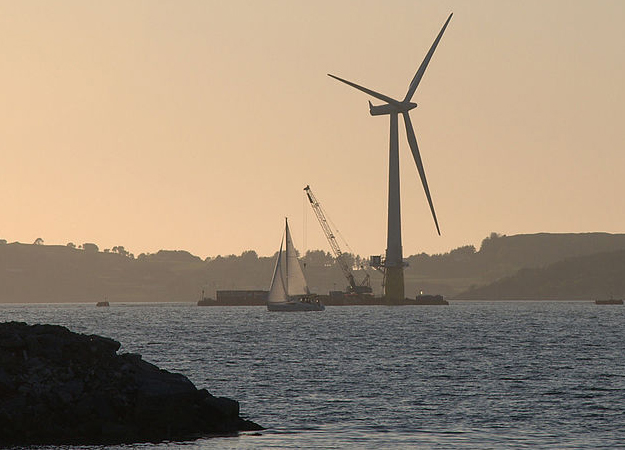
Globally installed floating wind capacity could amount to 264GW by 2050, according to DNV.
The amount will form part of the projected 1748GW of installed offshore wind capacity by the mid-century, DNV stated.
The renewable energy assurance provider anticipates that offshore wind’s contribution to the wider energy mix will increase to about 40% of total wind production by mid-century.
The growing momentum for floating offshore wind will result in cost reduction, scaling of production and will broaden applicability.
DNV said significant technological development is expected to solidify floating wind’s growth in the next five years.
Floating turbines offer access to at least four times as much surface over deep water as bottom-fixed ones, which increases flexibility in site selection.
This allows developers to target areas with higher wind speed, while reducing social and environmental impact.
Moreover, wind is a local and renewable source, reinforcing energy security by curtailing dependence on imports, DNV added.
Relying on strong grids, robust local supply chains, knowledge transfer from their well-established naval industries and favourable conditions off their coasts, southern European countries are embracing floating wind.
France has already launched a 500MW auction round in the Mediterranean, while Spain is also expected to release its first auction before the end of the year, in line with a roadmap that sets a 1-3GW target for floating wind before the end of the decade.
DNV energy systems chief executive Ditlev Engel said: “DNV’s latest Industry Insights research shows that 51% of the energy sector’s senior executives in France, Portugal and Spain expect to increase focus and investment in floating wind in the year ahead, which shows how great the impetus is on the industry side in these countries.
“While this is a positive sign, we need to move faster to meet the carbon emission reduction goals we committed to, ensure energy security and move prices downwards.
“This can only happen with strengthened public support and the removal of the remaining barriers in these countries’ regulatory frameworks,”
He added: “We welcome the emergence of great enterprises like Windfloat Atlantic, EolMed or the floating projects off the coasts of the Canary Islands and Cantabria, but countries like France, Portugal and Spain still need more ambitious and proactive policies if they are to maintain their advance in the field.
“They are still forerunners at this time, but it is worth noting that projects that were introduced later in South Korea, for instance, will be in operation sooner, thanks to fewer regulatory roadblocks and speedier procedures.”