


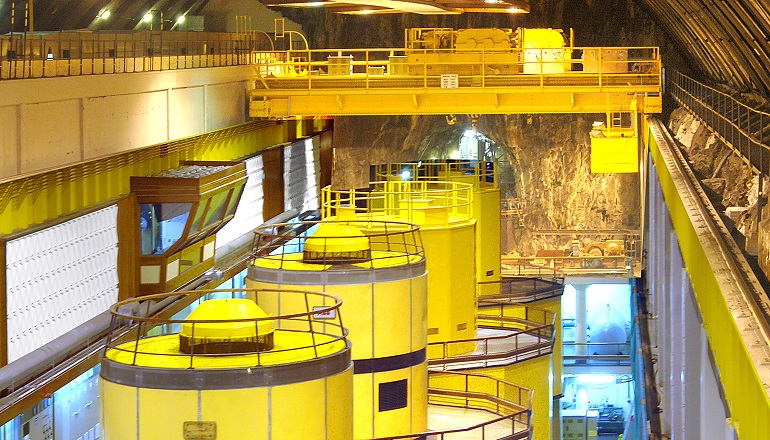
Drax is holding the final round of its public consultation on its plans to more than double the generating capacity of the Hollow Mountain Cruachan hydropower station in Scotland.
Under the plans, a second underground power station, with a 600MW capacity, will be built adjacent to the existing one to enable Cruachan to provide stability services to the national grid.
The new power station would be built within a new, hollowed-out cavern which would be large enough to fit Big Ben on its side, to the east of Drax’s existing 440MW pumped storage hydro station.
Around 900 jobs will be created and indirectly supported during the new power station’s construction.
The previous round of public exhibitions revealed overwhelming support for the development.
Since then, the project team has worked to refine the proposals and is pleased to be able to share details of this at the events:
Steve Marshall, Drax’s development manager, said: “More than a hundred people attended the last round of public exhibitions, underlining the level of public interest in Drax’s exciting plans to expand Cruachan.
“This power station has been at the heart of the community for more than half a century and with this proposed investment from Drax, it will continue to be so for many more decades to come.
“Our development will support around 900 jobs during construction, a huge investment in the local area.
“By expanding Cruachan we will ensure more renewable power is available to Scotland’s homes and businesses, helping to reduce energy costs and emissions.”
Following the public consultation, Drax will submit a Section 36 application to the Scottish Government for consideration.
A decision from the government is expected to be received in 2023.
The project requires a new financial stability support mechanism from the UK government to secure private investment in long-duration storage sites such as Cruachan.
If this is developed and the planning application is approved, then work to build the new capacity at Cruachan could get underway in 2024, with the facility operational in 2030.