


New renewable electricity capacity added in 2020 rose by 45%, compared with 2019, to 280GW, the fastest rate since 1999, according to a new report from the International Energy Agency (IEA).
The ‘Renewable Energy Market Update: Outlook for 2021 and 2022’ report said that expansion rates in coming years are expected to be at a much faster pace than prior to the Covid-19 pandemic.
Growth in Europe and the US will be even brisker than previously forecast, compensating for China’s transitional slowdown after exceptional 2020 growth, IEA said.
About 270GW of renewable capacity is on course to be added in 2021 and almost 280GW in 2022, despite the slowdown in China after an exceptional level of additions last year.
IEA said the forecasts have been revised upwards by more than 25% from the its previous estimates in November.
This is because governments have auctioned record levels of capacity and companies have signed record-level power purchase agreements, even as the pandemic spread macroeconomic uncertainties and supressed demand, it added.
Global wind capacity additions almost doubled last year to 114GW.
Wind growth will slow down a bit in 2021 and 2022, but the increases will still be 50% larger than the average expansion during the 2017-19 period, the report said.
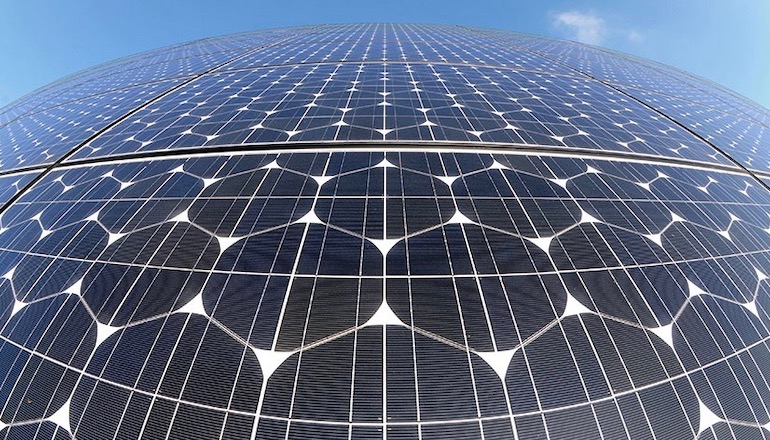
Solar installations will continue to break new records, with annual additions forecast to reach over 160GW by 2022.
China is at the centre of global renewable demand and supply, accounting for around 40% of global renewable capacity growth for several years.
In 2020, China’s share rose to 50% for the first time due to a rush to complete projects before government subsidies were phased out.
In 2021-22 renewables growth in China is set to stabilise at levels that are below the 2020 record but still over 50% above where it was during the 2017-19 period.
“Any slowdown in China in the coming years will be compensated for by strong growth in Europe, the US, India and Latin America where government support and falling prices for solar PV and wind continue to drive installations,” said IEA.
US renewable capacity growth this year and next is mainly spurred by the extension of federal tax credits, the report said.
But the forecast does not take into account the US administration’s new emissions reduction targets or its infrastructure bill, it added.
If enacted, the bill would drive a much stronger acceleration in the deployment of renewables after 2022.
India’s capacity additions declined by over 50% last year compared with 2019.
However, growth is set to rebound and renewable expansion is expected to set a new records by 2022, driven by the commissioning of delayed projects.
But the current surge in Covid-19 cases in India has created short-term uncertainty for this year, IEA said.
IEA executive director Fatih Birol said: “Wind and solar power are giving us more reasons to be optimistic about our climate goals as they break record after record. Last year the increase in renewable capacity accounted for 90% of the entire global power sector’s expansion.
“Governments need to build on this promising momentum through policies that encourage greater investment in solar and wind, in the additional grid infrastructure they will require, and in other key renewable technologies such as hydropower, bioenergy and geothermal.
“A massive expansion of clean electricity is essential to giving the world a chance of achieving its net zero goals.”