


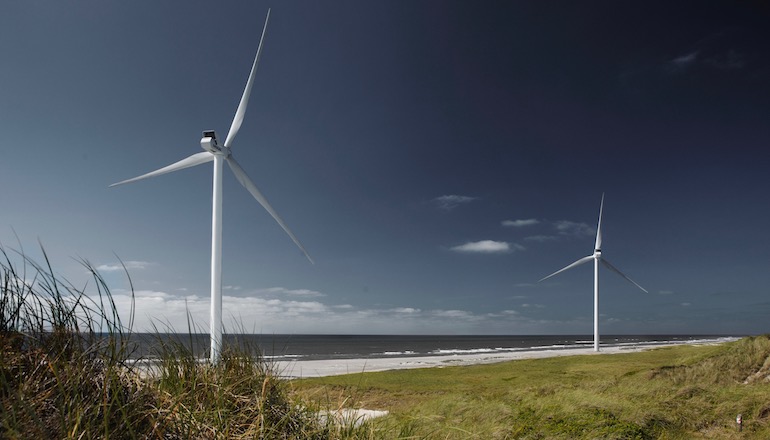
Wind and solar generation met up to 50% of Denmark’s electricity demand during 2019, according to statistics released by grid operator Energinet.
Energinet said Denmark is likely to meet its goal of at least 50% wind in the electricity system by the end of 2020.
Energinet electricity system responsibility chief executive Soren Dupont Kristensen said: “In the last decade, we have taken enormous steps in the green transition, and for example gone from wind and solar making up less than 20% of production to exceeding 50% today.
“At the same time, we still have very high security of supply.
“A continued high security of supply does not come by itself, and we therefore pay close attention to the challenges of an aging electricity grid and an increasing risk of lack of power adequacy.”
By 2030 Denmark’s entire electricity system will transition to a 100% renewable supply and Denmark is aiming to reduce its carbon dioxide emissions by 70%, the grid operator said.
Energinet said this requires “extensive sector coupling”, where, for example, clean power is used in the transport sector and electric heat pumps replace oil boilers and gas boilers.
Dupont Kristensen added: “In just 10 years we will have a 100% green electricity system with wind and solar as major suppliers.
“In order to remain at this level, Energinet has a very strong focus on the challenges that are on the horizon.
“It is our assessment that in 10 years’ time security of supply may well be a little bit lower than today, without Denmark experiencing a significant deterioration.
“It may otherwise become disproportionately expensive to aim to maintain the level we have seen in recent years until 2030.”
Energinet said investment in the Danish grid is required in order to accommodate increasing levels of variable generation, growing electricity demand, as more traditional power plants are closed between now and 2030.