


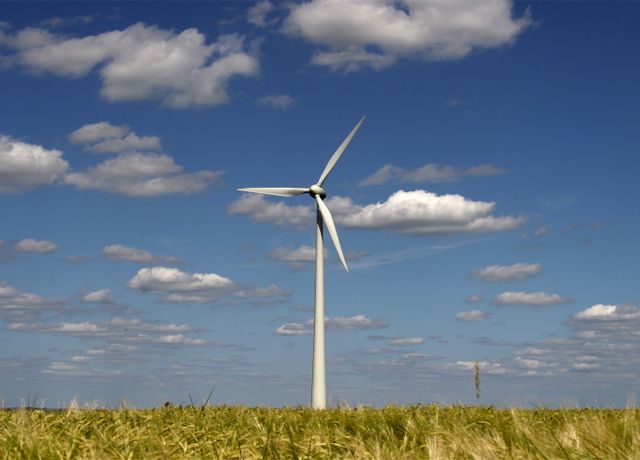
Ford Motor Company is buying 500,000 megawatt hours of locally sourced Michigan wind energy through a tariff offered by regional energy supplier DTE.
Under the agreement wind generated electricity will be used to power Ford’s Dearborn and Michigan plants, which produce its F-150, Raptor and Ranger trucks.
The manufacturer has ambitions for the facilities, which span research and engineering campuses, to use 100% locally sourced renewable energy by January 2021.
The Michigan assembly plant already has a 500kW photovoltaic system installed.
Ford is the first company to have a renewables supply agreement through DTE’s new tariff MIGreenPower.
Ford energy and technology global director George Andraos said: “Ford supports the implementation of renewable energy where the project can be tied to the customer’s facility, either directly or through the local distribution utility, and we believe that supports local jobs, improves the local environment and adds resiliency to the local grid.”
Ford plans to announce a new global carbon reduction strategy, which will focus on renewable energy in conjunction with the launch of the company’s 20th annual sustainability report in June.
With MIGreenPower, DTE electric customers can join the company’s efforts to develop more Michigan-made renewable energy by matching their energy use to local wind and solar projects.
In January, DTE received approval from the Michigan Public Service Commission to expand its voluntary renewable offerings to include a tariff designed specifically for large corporate and industrial customers.
DTE Electric president Trevor Lauer said: “It’s exciting that iconic Ford vehicles like the F-150 will be built in a plant powered by DTE wind energy, and we appreciate the leadership role Ford is taking in reducing its carbon footprint and supporting our state’s clean energy economy.”
As the state’s largest producer of renewable energy, DTE will more than double its renewable energy generation capacity, investing an additional $2bn in wind and solar by 2024 as part of efforts to cut carbon emissions by more than 80% by 2050.