Wind turbines will become larger, feature light and flexible blades and integrated aerodynamic control devices within the next 10 years, according to DNV GL.
This is one of 10 trends, which DNV GL identified in its report Technology Outlook 2025, that will shape future energy production and consumption.
Aerodynamic control devices, combined with innovative transmission systems, new sensors and smart control systems will ensure a better wind yield and adapt to the needs of the grid, DNV GL said.
The certifier also expects floating turbines will achieve full-scale deployment by 2025, taking advantage of simplified installation and standardized mass-produced units.
“By 2025, multi-rotor concepts may appear, benefitting from the mass-production of larger numbers of smaller rotors,” the authors said.
Lidar technology may be used to identify approaching turbulence, allowing the controller to optimise turbine performance at wind farms, they added.
The greater use of measured and estimated load data will allow wind farms to be tailored “dynamically”, boosting economic performance as environmental and electricity market conditions change, the report said.
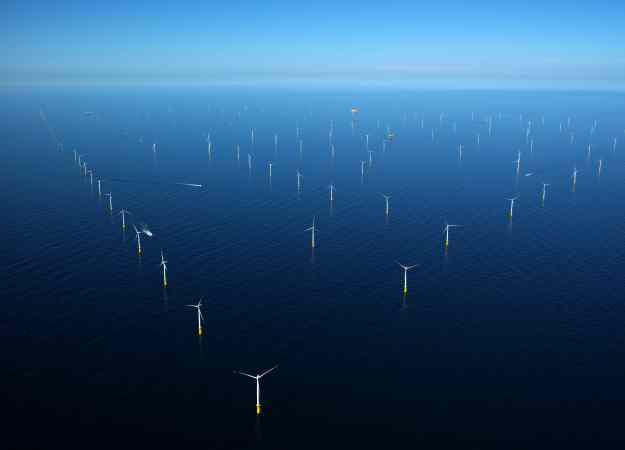
Image: DNV GL
DNV GL gazes into crystal ball
Certifier outlines 10 trends it expects to see in the wind sector by 2025
 By EBS