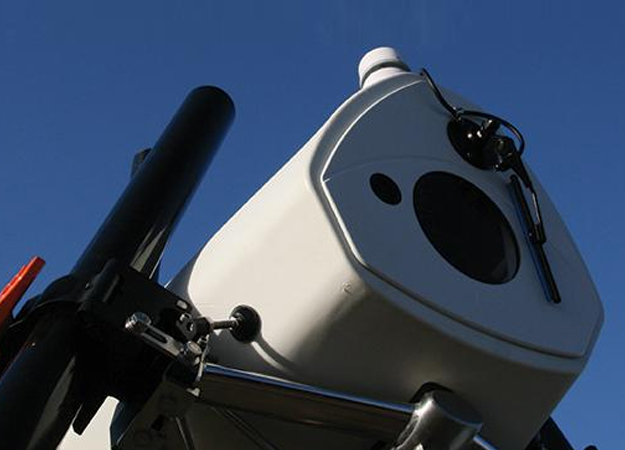
A lidar installed at the Dogger Bank offshore wind zone for the Forewind consortium has strengthened the case for the techonlogy as an alternative to weather masts for wind data collection.
The 4.8GW Dogger projects initially used two meteorological mast platforms which were installed in 2013. The Zephir 300 wind lidar was installed on the east mast platform in November 2014 by SeaRoc Group to give ongoing data for the area above the mast height, while the mast underwent maintenance work.
The lidar collected data for four months from April 2015 and continued to measure wind speed at the mast’s base after the mast was reinstalled in May 2015.
The results showed the lidar was available 100% of the time and results matched up to those of the mast it temporarily replaced, proving its accuracy and reliability.
Zephir Lidar managing director Ian Locker said: “The results at this landmark offshore development confirm the real opportunity for the pragmatic use of wind lidar offshore and its potential to replace fixed met mast structures for wind measurement while delivering significant cost-savings and health and safety advantages.
“The Zephir 300 wind lidar allowed for there to be no gap in wind data during the mast maintenance period and has essentially extended the height of the mast significantly. It produced high availability and high accuracy of data, and was perfectly reliable, confirming that it could be used alone for wind data collection at a fraction of the cost.”
Forewind Project Manager Nachaat Tahmaz said: “We captured wind data using the lidar which, when compared to that gathered by the met masts, showed a strong correlation and opens up possibilities for future lidar use offshore.”
SeaRoc has now installed three Zephir Lidars including two for Forewind, this one on the Dogger Bank Met Mast East and an earlier installation on the Cavendish platform in 2011.
Image: Zephir Lidar
Lidar earns offshore spurs
Dogger Bank tests show Zephir can successfully replace traditional masts
 By EBS