


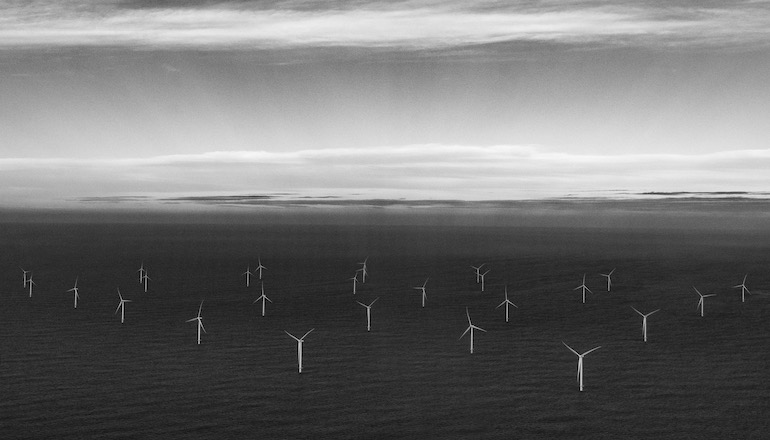
The Bureau of Ocean Energy Management (BOEM) has designated two final Wind Energy Areas (WEAs) off the west coast state of Oregon that can collectively host 2400MW.
The WEAs were developed following extensive engagement and feedback from the state, tribes, local residents, ocean users, federal government partners and other members of the public.
The final WEAs are based on reducing potential conflicts of ocean users, particularly on commercial fishing.
The two zones total approximately 195,012 acres and avoid 98% of the areas recommended for exclusion due to their importance as commercial fishing grounds.
The Coos Bay WEA is 61,204 acres and is located 32 miles from shore.
The Brookings WEA is 133,808 acres and is about 18 miles from shore.
“BOEM values its close coordination with the State of Oregon as we continue to work together to maintain a robust and transparent offshore wind planning process,” said BOEM director Elizabeth Klein.
“We will continue to work closely with Tribal governments, federal and state government agencies, ocean users, coastal communities and all interested stakeholders as we move forward with our environmental review.”
On 14 February, BOEM will publish a notice in the Federal Register announcing its intent to prepare an environmental assessment of potential impacts from offshore wind leasing in the WEAs.
The notice will initiate a 30-day public comment period.
Another public comment period would occur if BOEM decides to move forward with a lease sale in either of the WEAs.
In addition to engaging with the state, tribes, coastal communities and ocean users, BOEM partnered with the National Oceanic and Atmospheric Administration’s National Centers for Coastal Ocean Science (NCCOS) to assess opportunities for wind energy development and reduce or avoid impacts on other important ocean uses in Oregon.
The agencies developed a comprehensive, ecosystem-based ocean planning model to gain valuable insights about the seascape and its uses and facilitated greater transparency and positive coordination with government partners and ocean stakeholders through direct engagement and incorporation of their feedback into the NCCOS model.