


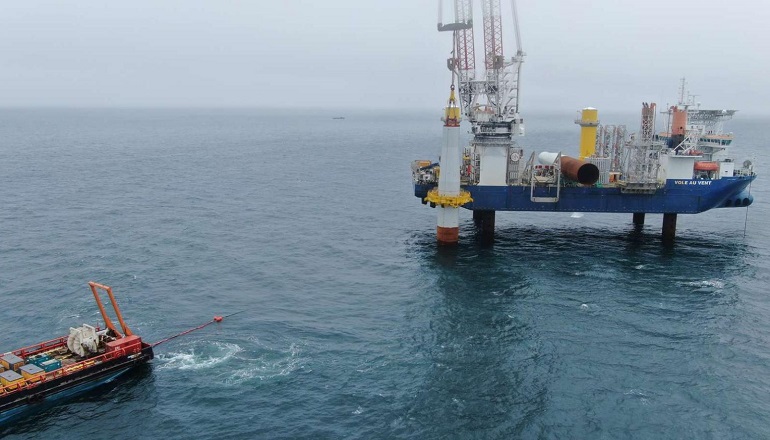
The US Bureau of Ocean Energy Management (BOEM) has begun its environmental review of the 880MW Revolution Wind project off the coast of Rhode Island and Connecticut.
BOEM has today issued its notice of intent (NoI) to prepare the required environmental impact statement (EIS) on the project’s construction and operations plan.
The publication of the NoI opens a 30-day public comment period.
During this time, BOEM will hold three virtual public scoping meetings and accept comments to inform the preparation of the EIS.
BOEM director Amanda Lefton said: “Public input plays an essential role in identifying and mitigating any potential impacts from proposed energy development activities.
“BOEM is committed to ensuring that any future offshore wind development is done safely and responsibly, and with the benefit of feedback from critical stakeholders.”
Highlights from Revolution Wind’s proposal include the following construction and operation of an offshore wind project with a total capacity of up to 880MW, installation of up to 100 turbines, up to two offshore substations and up to two export cables, plus monopile foundations for turbines and offshore substations.
The Port of Galilee, Rhode Island, has been identified as the location for an onshore operations and maintenance (O&M) facility.
The Revolution Wind export cable would make landfall at Quonset Point in North Kingstown, Rhode Island, and would interconnect to the electric transmission system via the existing Davisville substation, which is owned and operated by National Grid.
Orsted and Eversource, joint developers of the project, said in a statement: “Orsted and Eversource are pleased that BOEM has issued its notice of intent for Revolution Wind, representing the start of the project’s formal federal environmental review and marking the project’s most significant permitting milestone to-date.
“Revolution Wind is now one critical step closer to helping Rhode Island and Connecticut realize their clean energy goals, while delivering thousands of good-paying local jobs, providing significant local investment and helping to grow a new domestic supply chain.
“We look forward to BOEM’s review as it moves toward issuing a final environmental impact statement for this historic offshore wind project.”
BOEM’s scoping process is intended to identify what should be considered in the Revolution Wind COP EIS.
Throughout the scoping process, there will be multiple opportunities to help BOEM determine the important resources and issues, impact-producing factors, reasonable alternatives and potential mitigating measures that should be analysed in the EIS.