


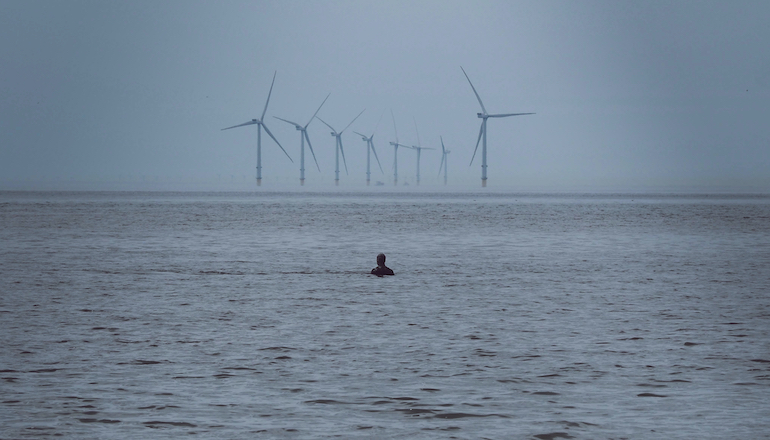
The Bureau of Ocean Energy Management (BOEM) has completed its environmental review of the proposed South Fork Wind project offshore New York and Rhode Island.
South Fork Wind is proposing to build an offshore wind energy project south-east of Block Island, Rhode Island, and east of Montauk Point, New York.
The project will deliver approximately 130MW of power to South Fork of Long Island, New York.
If approved, it would be the second commercial-scale offshore wind project in the US.
Later this week, BOEM will publish a Notice of Availability for the Final Environmental Impact Statement (EIS) in the Federal Register.
The EIS analyses the potential environmental impacts of the activities laid out in South Fork Wind’s Construction and Operations Plan.
On 6 January 2021, BOEM published a draft EIS for the South Fork project, receiving over 1300 public comments in response.
BOEM also held three virtual public meetings to solicit additional feedback on the draft EIS from community members, Tribal nations, commercial fishing interests, and other ocean users.
BOEM incorporated these comments and stakeholders’ feedback into the Final EIS, a critical step to ensure the project can move forward while balancing the needs and interests of everyone who may be affected by the development.
BOEM is now working with the appropriate parties to finalise the Section 106 consultation process consistent with the National Historic Preservation Act, as well as working with the National Marine Fisheries Service to complete the biological opinion, as required by the Endangered Species Act.
Then, BOEM plans to issue a record of decision on whether to approve the proposed project in October.
The US Army Corps of Engineers and the National Marine Fisheries Service will sign this record of decision for their respective authorisation decisions.
Meanwhile the American Clean Power Association has issued a statement after it submitted comments to BOEM urging the advancement of the federal leasing process for offshore wind energy in the New York Bight.
“Commercial and recreational fishing, maritime navigation, and Department of Defense activities have all been accounted for in the proposed lease areas and potential space-use conflicts have been appropriately avoided.
“Leasing the New York Bight areas will help transform the US into a global leader in offshore wind energy that will generate significant investment opportunities by boosting domestic manufacturing and creating good-paying American jobs, while helping the nation meet important climate and emissions targets,” said Gene Grace, American Clean Power Association general counsel.