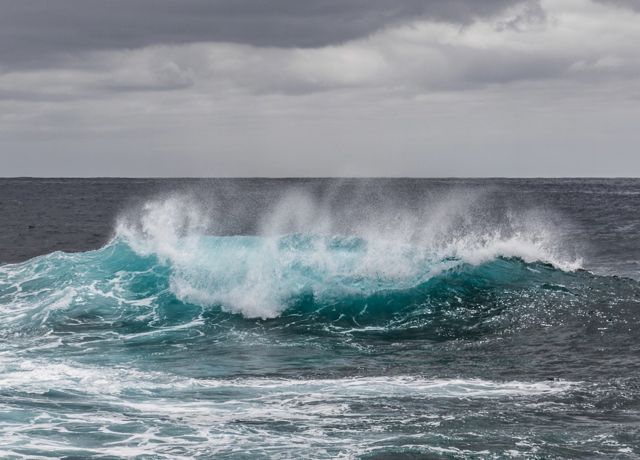
The Offshore Renewable Energy (ORE) Catapult is coordinating a new study into the impact of choppy seas on crew being transported to offshore wind farms.
The €3.6m Improving the Safety and Productivity of Offshore Wind Technician in Transit project will examine how a vessel’s motion impacts the psychological and physiological well-being of the crew being transported.
Siemens Gamesa, the University of Hull, SMC, Dutch research institutes Marin and ECN, and BMO Offshore are also involved in the study, which is funded by DemoWind2 initiative.
The project aims to develop a forecasting and monitoring tool to help determine whether or not to proceed with the deployment of personnel in turbulent conditions.
“Unscheduled operations and maintenance activities on offshore wind installations account for almost a quarter of the lifetime cost of an offshore farm, but a proportion of that is time wasted in failed crew transits or workers unable to carry out their duties as a direct result of rough weather conditions,” ORE Catapult said.
Impact: Pexels
Catapult navigates choppy waters
 By EBS