


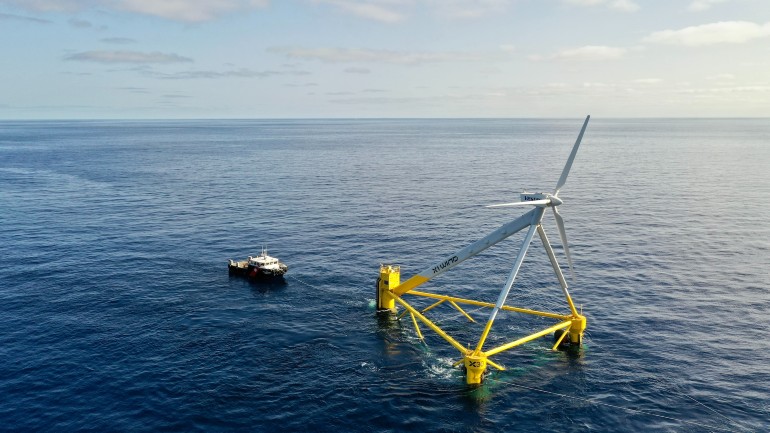
The Crown Estate has made some changes to the auction process for the Celtic Sea leases offshore Wales and southwest England, with “social value, integration ports and supply chain centre stage”, as well as addressing spatial constraints.
“Final confirmation of the design of the tender and Project Development Areas is expected over the summer, ahead of the formal launch of the tender later this year,” said TCE.
TCE has also set out changes to the auction design to increase transparency and offer developers maximum opportunity to set the most appropriate prices. These changes represent an evolution of the process, taking into account a range of considerations and stakeholder feedback, and include steps to help share and reduce the risks developers face when developing new technology in a new location.
For example, rather than bidders submitting their best and final offer immediately to stand a chance of winning, TCE said it will adopt a ‘rising clock’ auction, which will see pricing movements published during the different rounds, allowing greater transparency for developers over whether other parties are still bidding for certain locations.
TCE said it continues to take steps to further accelerate and de-risk the deployment of floating offshore wind in the Celtic Sea, including a multi-million-pound series of technical and environmental surveys.
This summer the first specialist vessels will set sail, using towed and hull-mounted sensors to collate information on the properties of the seabed and sub-seabed. The investment in these studies by TCE is intended to accelerate the delivery of projects, making it easier for developers to take early decisions and manage risk, while supporting future project level Environmental Impact Assessments (EIAs) as part of the planning process.
In addition, the Crown Estate continues to work closely with National Grid ESO to ensure a timely and coordinated grid connection plan.
TCE is also working to deliver a Plan-Level Habitats Regulations Assessment ahead of the tender process to further reduce timelines and developer risk.
Gus Jaspert, TCE managing director Marine, said: “Establishing floating wind in the Celtic Sea is a fantastic opportunity for the UK to build on its position at the forefront of the global offshore renewables market and lead the world in this new technology. This initial phase of up to 4GW of floating wind in the Celtic Sea has the potential to be among the world’s largest developments of its kind, and we are excited by the opportunity to bring social value to the fore while helping to power the country with clean electricity and stimulate growth and investment.
“It is also clear that there is a complex mix of competing demands on the seabed in the Celtic Sea, and we are supporting the UK Government as it works to resolve these. As managers of the seabed around England, Wales and Northern Ireland, we are able to work across the full range of users of the seabed to identify issues such as these, meaning we can take steps to help de-risk projects and secure a pathway to their delivery.
“This is reflected in our updated approach to this leasing round, which also seeks to unlock the opportunities on offer to regions around the Celtic Sea and support a fast route to development. We look forward to working with our prospective customers as well as with wider stakeholder community and governments in Westminster and Wales as we prepare for this exciting leasing round to get underway later this year,” added Jaspert.
Jessica Hooper, Renewable UK Cymru Director, said: “The leasing round for the first commercial-scale floating wind farms in the Celtic Sea off the coast of Wales and South West England offers a once in a generation opportunity to build out a new pioneering industry both for the region and the whole of the UK.
“This latest update by The Crown Estate lays solid foundations for the first positive steps to deliver trailblazing projects at scale and pace. We welcome the focus on driving social value, supporting the critical role of ports and increasing transparency through the auction process. We look forward to continuing the strong industry engagement needed to deliver the maximum investment for our ports and communities, while also emphasising the critical need for a future pipeline.
“To truly capture the thousands of jobs and supply chain opportunities on offer, we must have a clear line of sight of a future leasing round beyond 4GW as soon as possible,” added Hooper.