


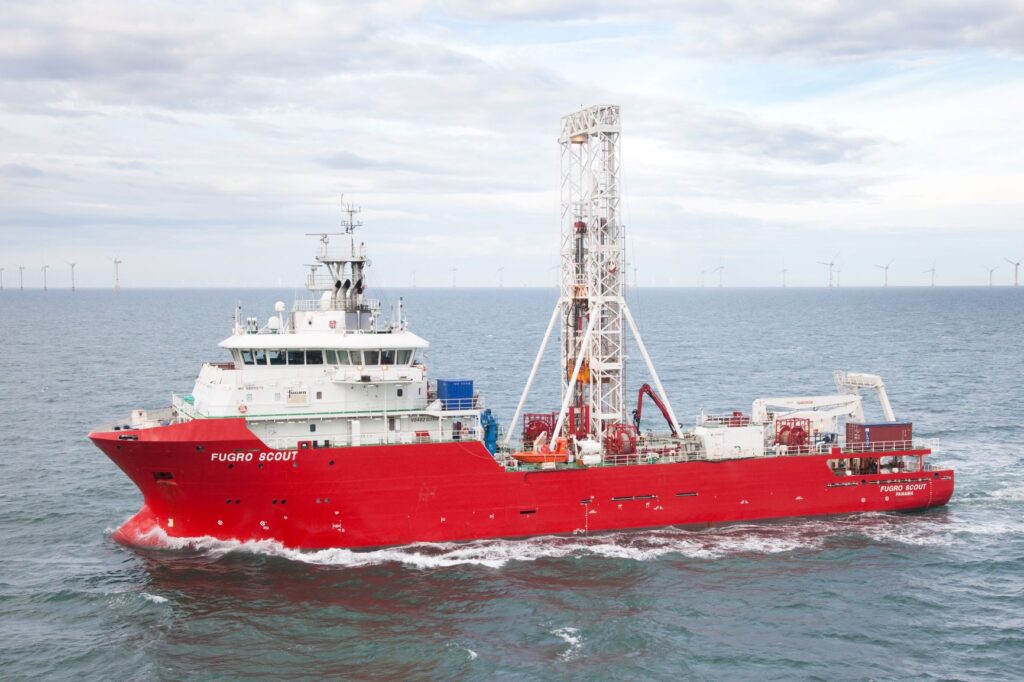
Marine survey specialist Fugro has chosen underwater positioning technology from Houston-based Sonardyne for upcoming offshore wind projects it is working on off the US coast.
The order includes three Sonardyne Mini-Ranger 2 ultra-short baseLine (USBL) underwater positioning systems to support shallow water site characterisation surveys.
It also includes a standard Ranger 2 for positioning geotechnical boreholes that will influence turbine foundation design and installation.
Sonardyne sales manager Char Franey said: “Ranger 2 is a great fit for Fugro’s busy work programme off the US east coast this summer.
“Investing in both Mini and standard Ranger gives them the flexibility to mobilise different size vessels for different tasks and have them working close to each other without causing interference.
“And because all versions of Ranger 2 use the same software, their crews will be able to easily switch between using the two systems.”
Fugro has also ordered wideband sub-mini 6+ (WSM 6+) and nano-transponders to fit to the underwater equipment it will be tracking with its new USBLs, including side-scan sonars and transverse gradiometer systems.
Mini-Ranger 2 is “ideal” for nearshore operations using small vessels, moored barges and unmanned surface vessels.
The device can simultaneously track 10 targets at very fast update rates, is quick to install and has an operating range of up to 4000 metres.
The Mini-Ranger 2 HPT 3000 transceivers will be mounted over-the-side of Fugro’s vessels to provide very shallow, high elevation tracking, without losing positioning accuracy, Sonardyne said.
Ranger 2 is Sonardyne’s highest performing USBL system, capable of simultaneous long-range target tracking, dynamic positioning and subsea communications.
It is being supplied to Fugro with an HPT 7000 Gyro USBL which combines the vessel heading, pitch and roll data that’s critical to USBL system precision, with an acoustic transceiver in a single housing.
Using Gyro USBL means that owners can move their Ranger 2 between vessels of opportunity and avoid the need to undertake post-installation performance tests before subsea operations can begin, saving expensive vessel time.